Water Extraction and Removal in La Vergne, TN
The extraction crew pulls standing water out of La Vergne homes and businesses with truck-mounted and portable units, then the drying team maps what is still wet and dries the structure to the IICRC S500 standard.
(888) 849-5796 Water pooling on the floor? Send the extraction truck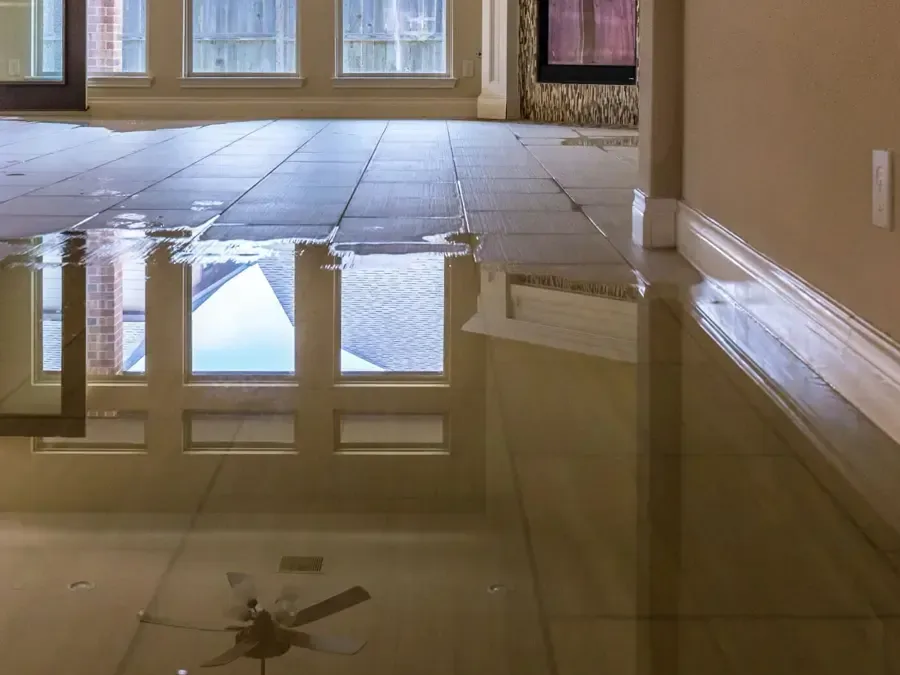
First steps for water extraction and removal
Stop the source
Close the main valve or the fixture valve so no new water reaches the floor.
Kill power to wet rooms
Switch off those breakers if the panel is dry, and keep clear of soaked outlets and cords.
Get belongings up
Lift rugs, electronics, papers and boxes off the floor and out of the water.
Skip the shop vac marathon
A household vacuum barely touches soaked pad; spend that time photographing every wet room instead.
What does water extraction and removal cost in La Vergne, TN?
Water extraction here typically runs $800 to $5,000, depending on the wet area, the water category and whether pad or flooring has to come out. Drying equipment and any removal are figured into the same line-item scope.
One room, clean water
$800 to $1,800- Carpet and pad extraction
- Pad check by meter
- Two to three drying days
Several rooms
$1,800 to $3,500- Pad removed where needed
- Lower drywall checked
- Daily moisture readings
Whole level or Category 3
$3,500 to $5,000+- Flooring removed
- Antimicrobial treatment
- Extended drying
Ranges are typical, never a quote: the water category, the square footage, the material class and how fast drying started move the number most. For a closer planning range, run the water damage cost calculator.
How water extraction and removal is handled, step by step
- 1
Assess
Source, category and the full wet area mapped.
- 2
Extract
Truck-mounted units pull the standing water.
- 3
Dry
Air movers and LGR dehumidifiers set by room size.
- 4
Verify
Equipment leaves once readings hit the drying goal.
Water extraction is the first and most important step of any water loss. Every gallon left on the floor keeps wicking into drywall, pad, cabinets and framing, so the extraction crew removes as much as it can before the drying team sets a single air mover.
Why extraction comes before drying
Air movers and dehumidifiers remove water as vapor, and that is slow. Extraction removes it as liquid, and that is fast. A truck-mounted unit pulls far more water out of carpet and pad than any shop vacuum, which cuts drying days and the amount of material that has to come out.
- Weighted extraction tools press water out of carpet and pad
- Portable units reach upstairs rooms and tight crawl space doors
- Subsurface tools lift water trapped under laminate and vinyl plank
Where the water usually comes from here
In the subdivisions around Lake Forest Estates, most extraction calls start with a washer hose, a water heater or a supply line under a sink. After hard rain on thin cedar glade soil, runoff can also reach garages and crawl spaces quickly.
Each source sets the water category. Clean supply water gets extracted and usually dried in place. Storm runoff and sewage are treated as Category 3, so the porous materials they touched are removed, not dried.
After the water is out
The tech who does the walkthrough maps moisture with pin meters and thermal imaging, and the drying team logs readings every day until the structure reaches the drying goal. Indoor humidity control matters during that stretch, which the EPA indoor air quality overview explains. For claim questions, the Tennessee Department of Commerce and Insurance explains how a homeowner claim proceeds.
Water extraction and removal across La Vergne and nearby
The restoration crew works ZIP codes 37086 and 37089, from Lake Forest Estates and the Murfreesboro Road corridor to the Hurricane Creek and Poole Knobs side of Percy Priest Lake, plus Antioch, Smyrna and Murfreesboro next door.
Related water damage services
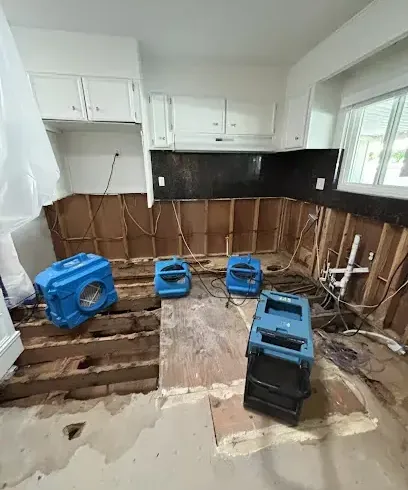 Structural Drying and DehumidificationFraming, subfloor and concrete dried to within 2 to 4 points of a dry reference.
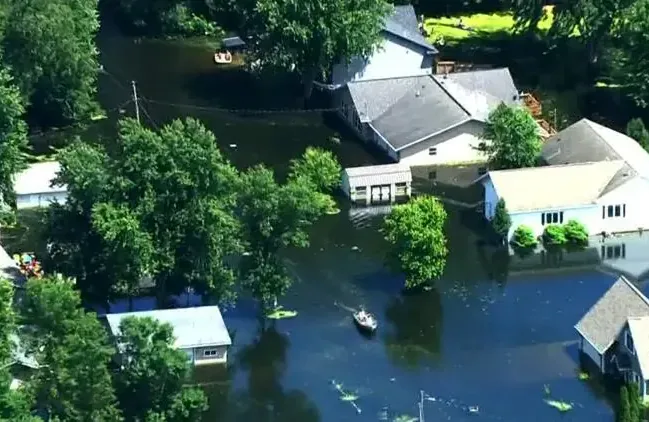 Storm and Flash Flood CleanupStorm runoff and creek water extracted, treated as contaminated and dried out.
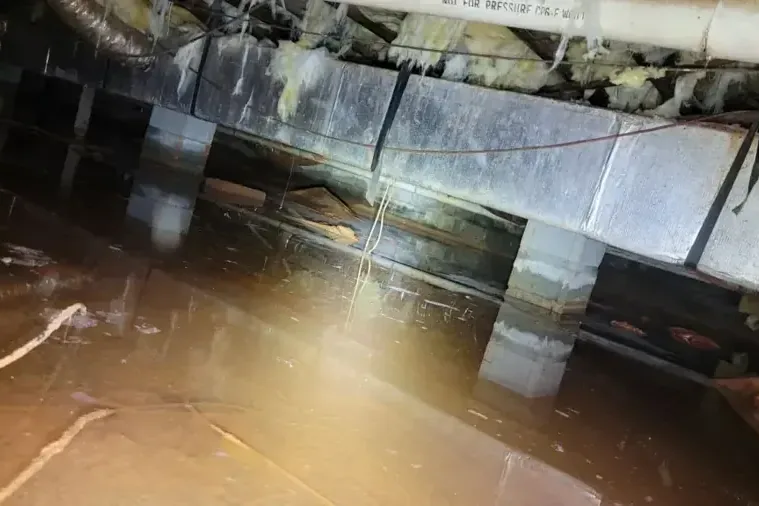 Crawl Space Water RemovalStanding water under raised floors pumped, wet insulation removed and joists dried down.
Water Extraction and Removal questions in La Vergne, TN
Still have water on the floor? The extraction crew works around the clock, nights and holidays included.
How fast should water extraction start?
As soon as possible. Water keeps wicking into drywall and framing, and mold can start inside 24 to 48 hours. Active water is treated as urgent at any hour.
Can wet carpet be saved after extraction?
Often, when the water is clean and drying starts early. The pad usually comes out after Category 2 or 3 water, or water that sat for days, because it holds both water and contamination.
Is a shop vacuum enough for standing water?
Not for a soaked room. A shop vacuum lifts surface water but leaves the pad and subfloor wet. Truck-mounted extraction removes far more, which shortens drying.
Does water extraction include drying the walls?
Extraction removes the liquid; structural drying handles what soaked into walls, framing and subfloor. The two run back to back, and both show up in the claim file.
How is the cost of water extraction set?
By the wet area, the water category and the materials involved. Most clean-water jobs here land in the low thousands, and the cost calculator gives a planning range.
Does the crew move furniture during extraction?
Yes. The crew photographs contents first, then moves and blocks furniture so the extraction tools reach the whole floor.
Water still standing in the house? Get extraction started.
Standing water soaks deeper into drywall, pad and framing the longer it sits. The extraction crew removes it first, then the drying team takes over.