Water Damage Restoration Thompson's Station, TN
24/7 water damage restoration in Thompson's Station, TN. The extraction crew removes standing water, the drying team dries framing and subfloor to the IICRC S500 standard, and each daily reading is saved for the claim file.
(888) 849-5796 Water spreading through the house? Start the dry-out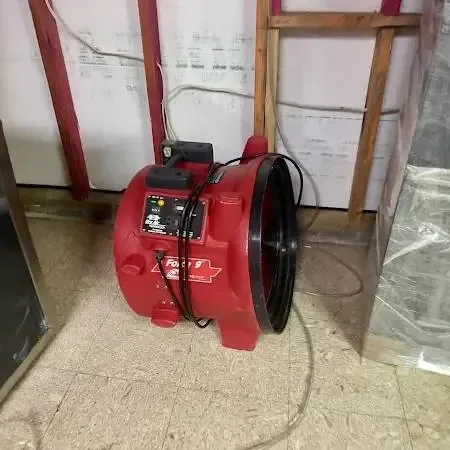
What to do before the restoration crew gets there
In a humid Middle Tennessee house, mold can begin growing inside 24 to 48 hours, so what happens in the first hour sets how much has to be torn out.
Close the main valve
Find the shutoff where the supply enters the house, often in the garage or a utility closet, and turn it fully off.
Make the wet rooms safe
Turn off breakers for rooms with water on the floor if the panel is dry, and unplug nothing that sits in water.
Record the damage first
Photograph floors, walls, ceilings and belongings from wide and close angles before anything gets moved or tossed.
Get valuables off the floor
Carry rugs, electronics, papers and keepsakes to a dry room, and prop furniture legs on blocks or foil.
Keep the walls closed
Wait on cutting drywall or pulling flooring until the moisture map shows what is actually wet.
Then call and say which rooms got wet, which floor, and the water source: (888) 849-5796
Water Damage Restoration Services in Thompson's Station, TN
Every water and sewage loss the local restoration pros handle, from a washer hose in a Canterbury townhome to a ceiling leak in a newer Bridgemore Village house.
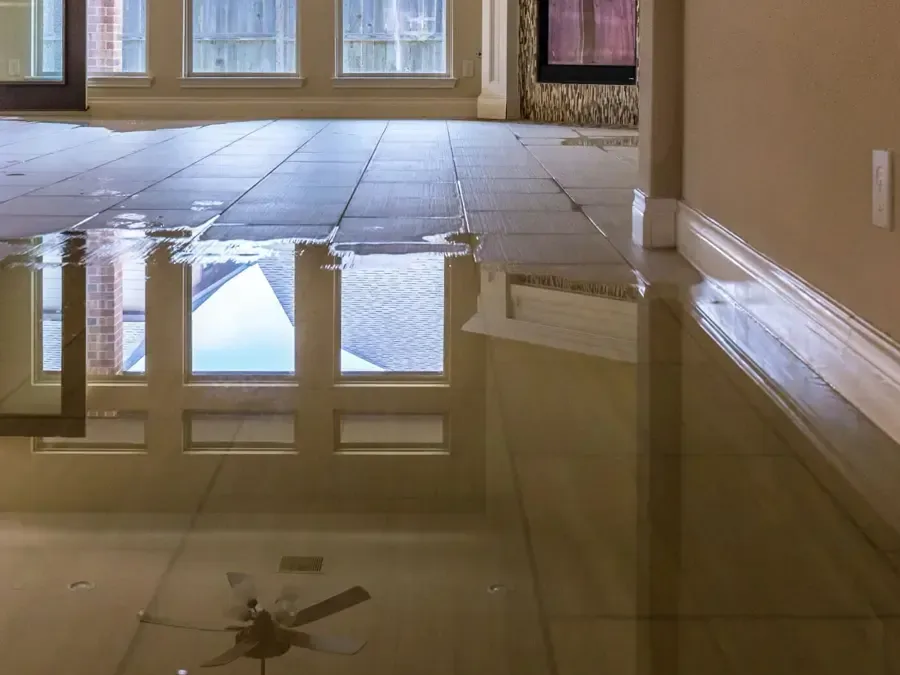 Water Extraction and RemovalStanding water lifted off carpet, tile and plank with truck-mounted units before it spreads into walls.See the service
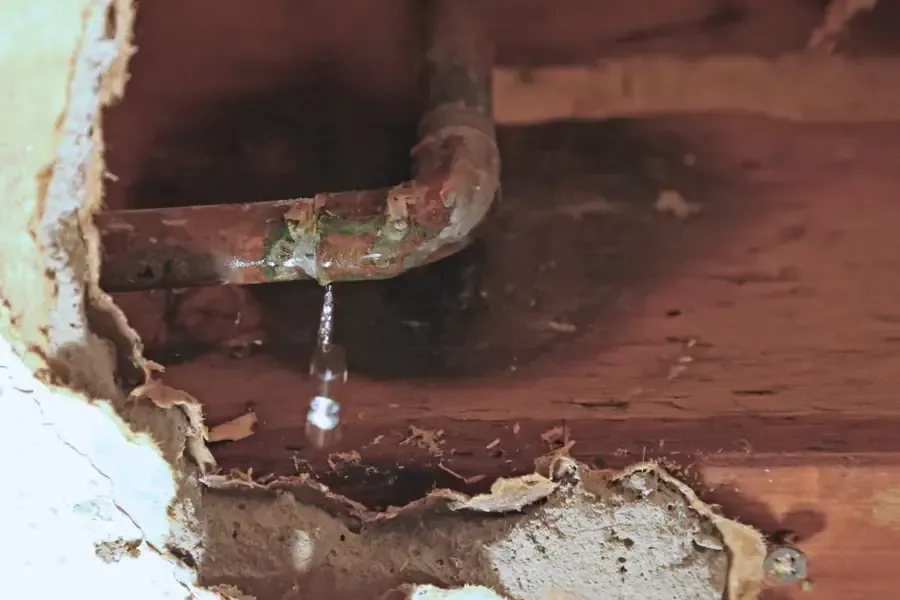 Burst Pipe Water DamageA supply line that splits inside a wall or ceiling, traced by thermal camera and dried in place.See the service
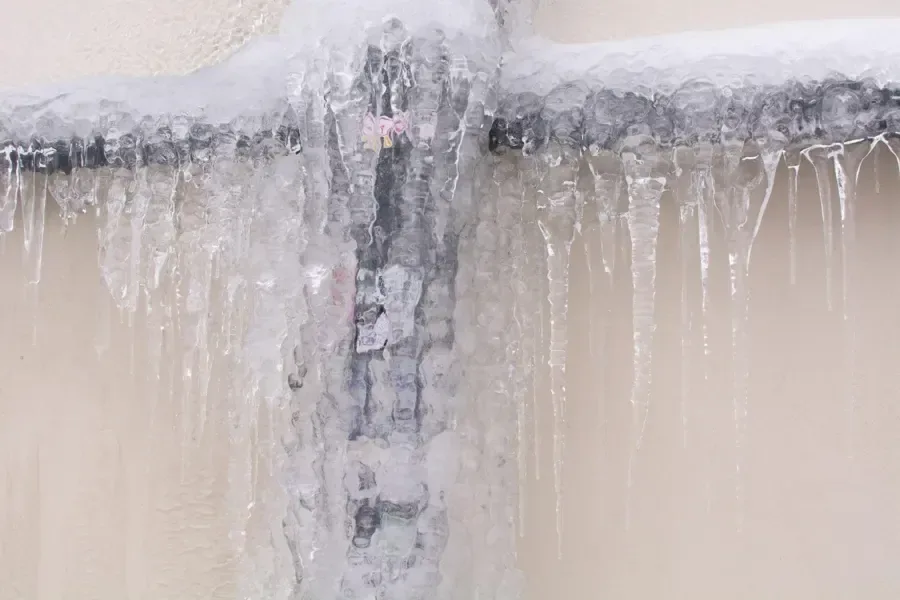 Frozen Pipe Water DamageLines that froze in an attic, garage or outside wall during a statewide cold snap, dried after the thaw.See the service
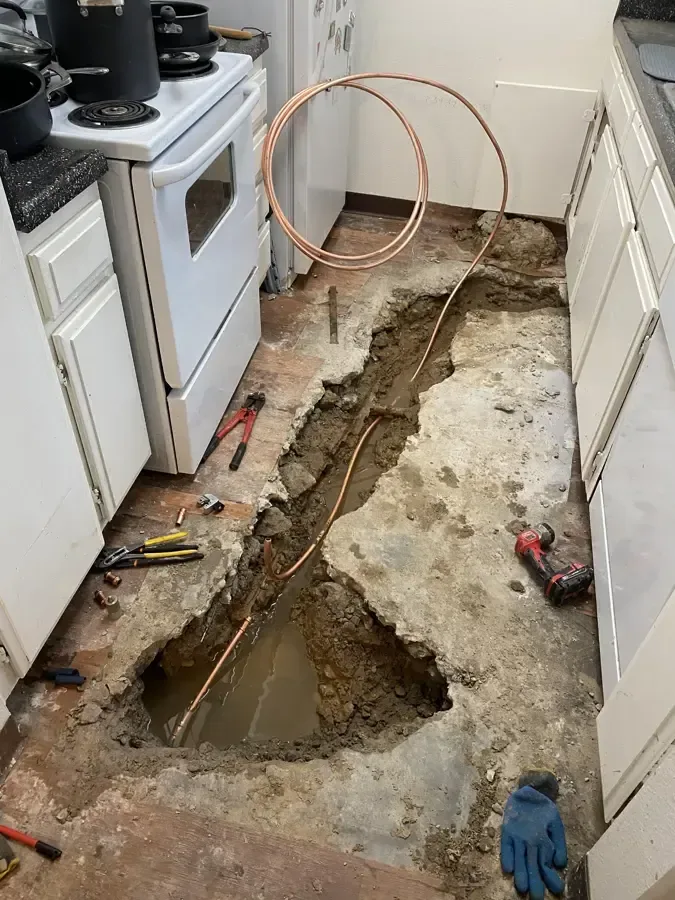 Slab Leak Water DamageA pressurized line leaking beneath a concrete floor, found by its warm or damp spots and dried from below.See the service
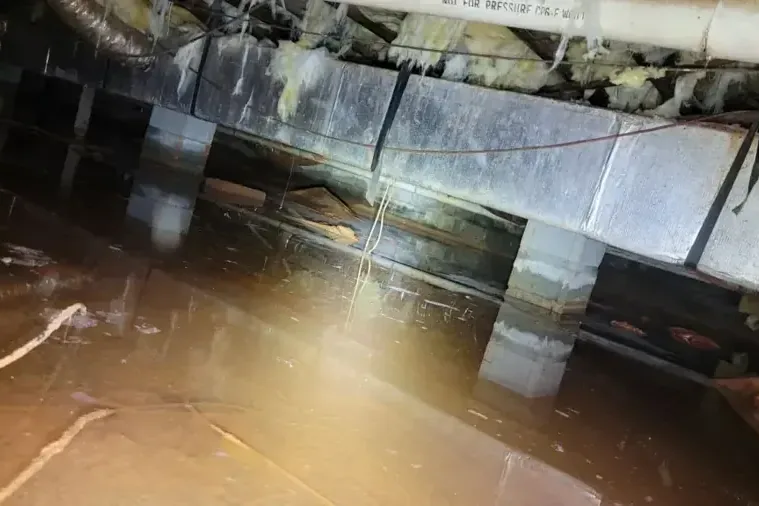 Crawl Space Water RemovalWater sitting under a raised floor pumped out, soaked insulation removed and the joists dried down.See the service
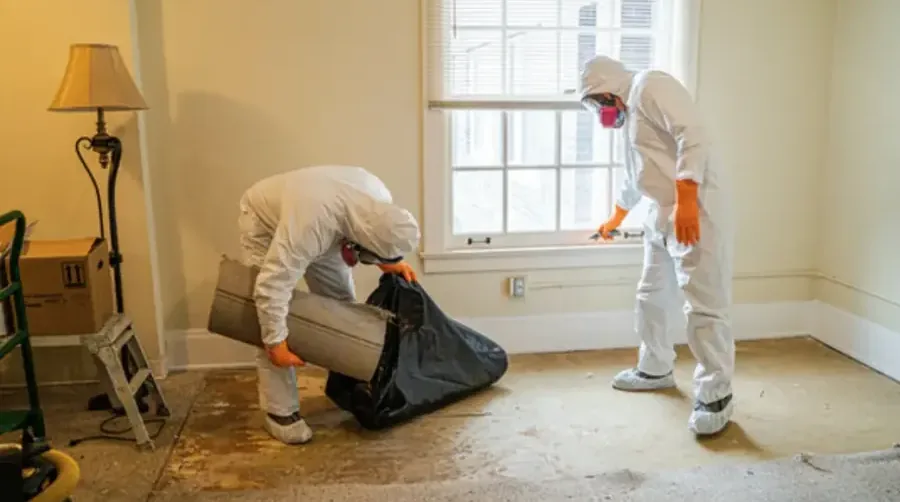 Sewage Backup CleanupToilet, tub and cleanout backups handled as Category 3, with containment, PPE and antimicrobial treatment.See the service
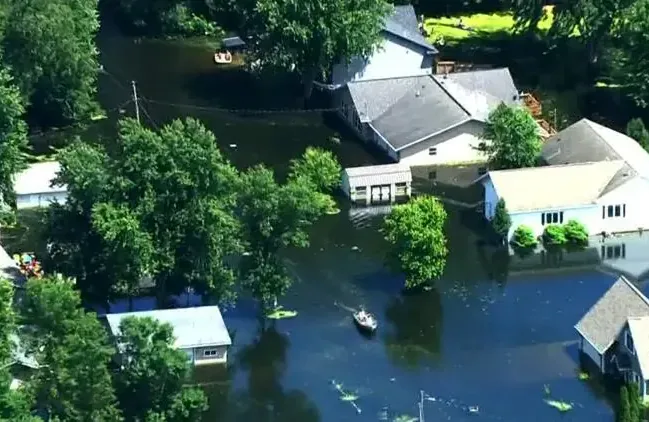 Storm and Flash Flood CleanupStorm water and runoff that reached garages or lower rooms, extracted, treated as contaminated and dried.See the service
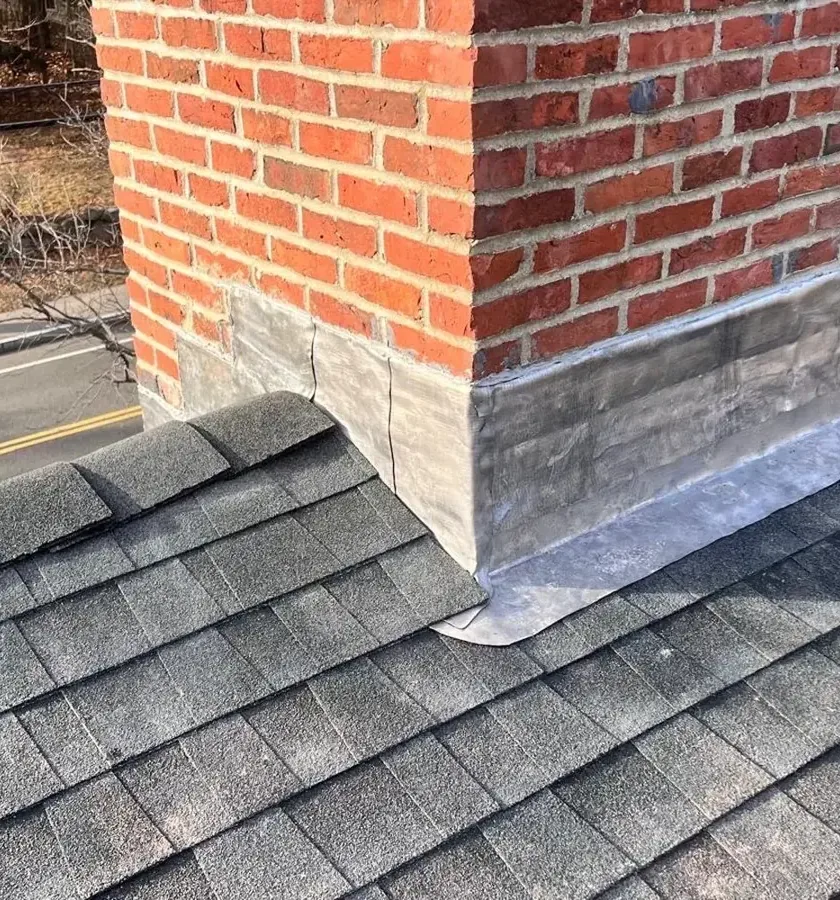 Roof Leak Water DamageWind and hail openings at shingles, flashing and vents, with wet attic insulation pulled and ceilings dried.See the service
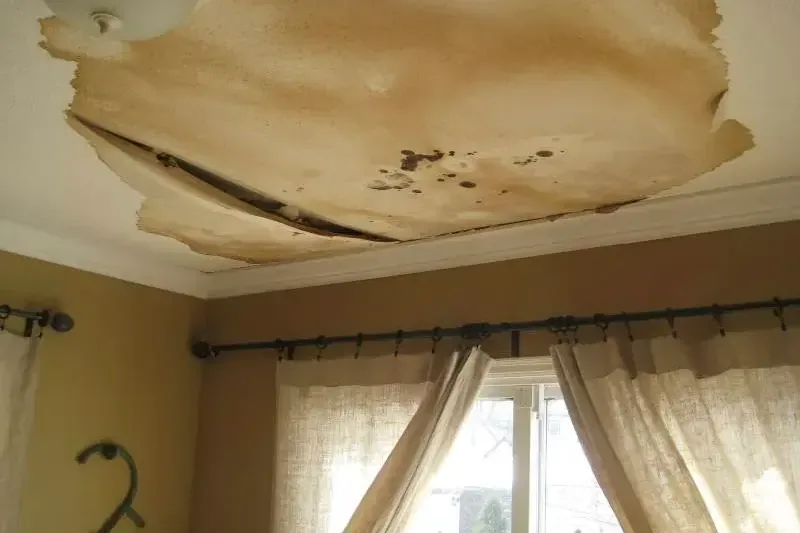 Ceiling Leak Water DamageA bath, supply line or air handler upstairs fails, and the soaked ceiling below is opened and dried.See the service
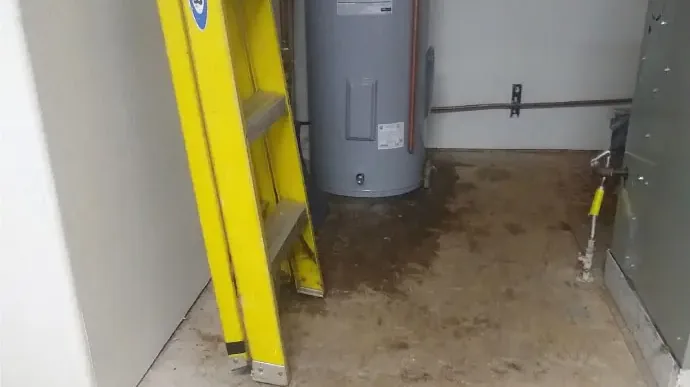 Water Heater Leak CleanupTank and connector failures in garages and closets, extracted before the subfloor and drywall soak through.See the service
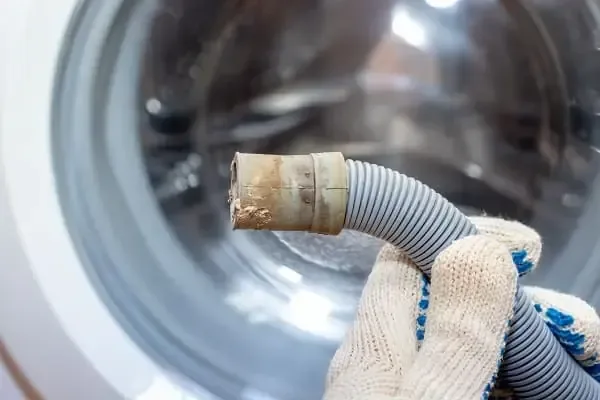 Appliance and Supply Line LeaksWasher, dishwasher, ice maker and toilet supply leaks pulled out of floors, cabinets and toe kicks.See the service
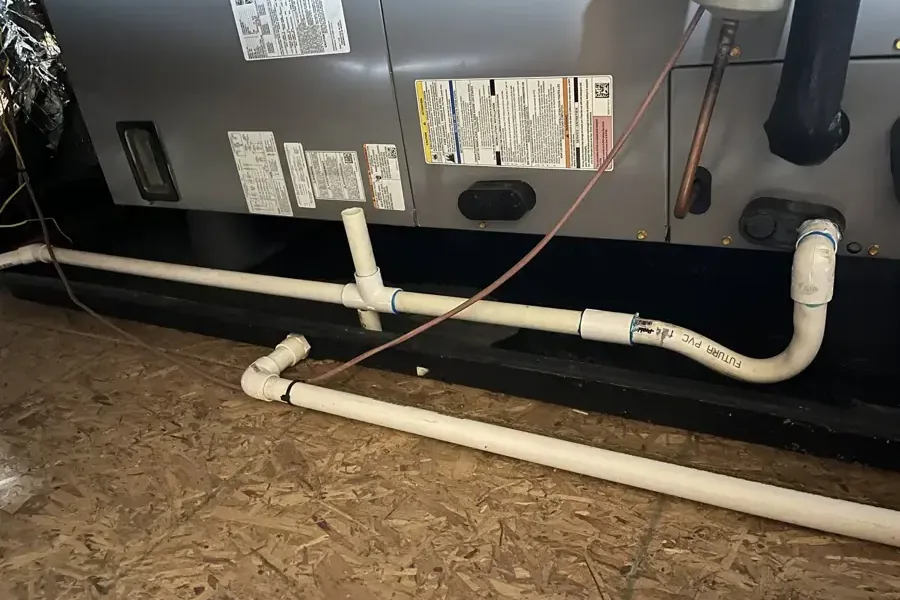 HVAC Condensate Leak Water DamageAir handler pans that overflow in a humid summer, dried out of attics, closets and the ceilings below.See the service
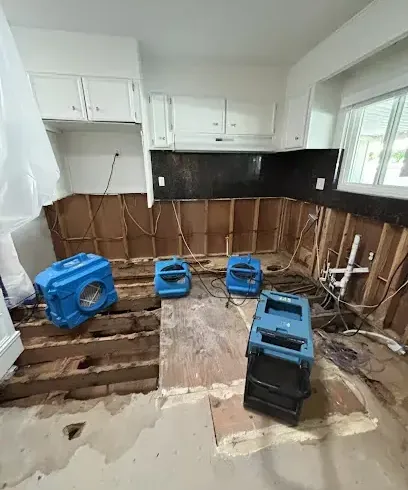 Structural Drying and DehumidificationFraming, subfloor and concrete dried with air movers and LGR units until readings meet the goal.See the service
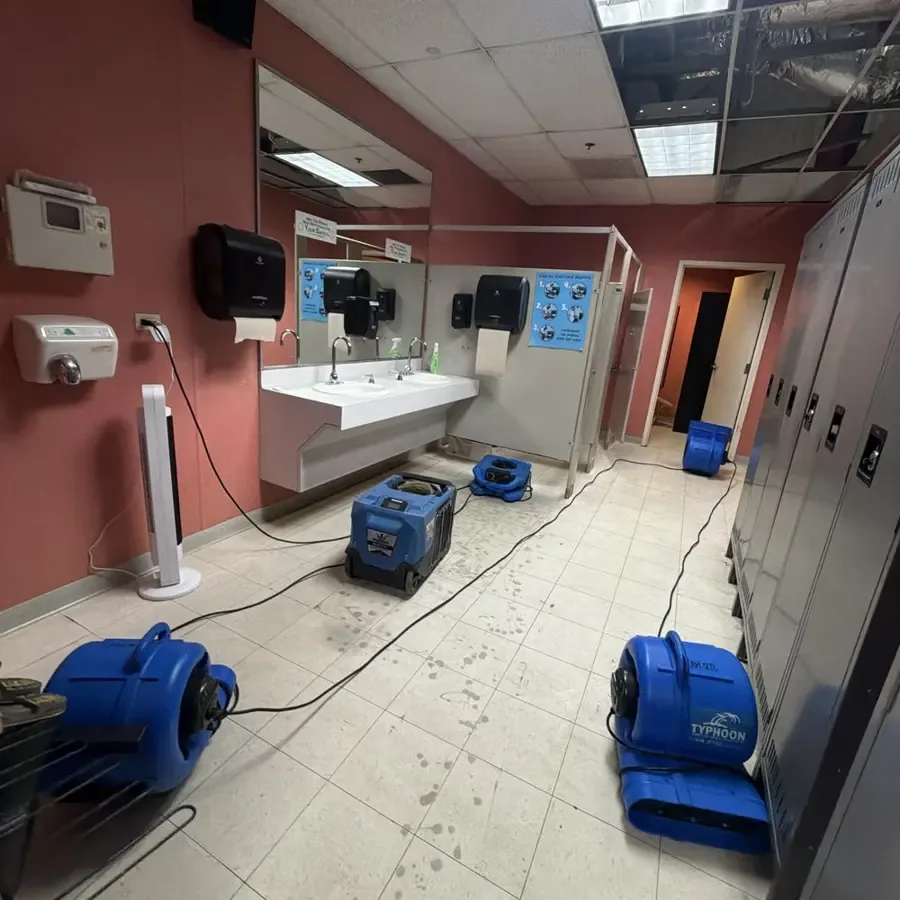 Commercial Water DamageShops along Tollgate Boulevard, offices and community buildings dried in phases to keep doors open.See the service
Tell dispatch what got wet, where the water started and how long it ran, and the right crew and equipment get matched to it.
(888) 849-5796 Walk dispatch through what happenedFrom the first reading to the last, in order
A dry-out that holds up comes from doing the steps in the right order. Every stage gets its own crew, its own instruments and its own row in the daily drying record.
- 1
Walkthrough and moisture map
The tech on the walkthrough checks drywall, framing and subfloor with pin meters and a thermal camera before any equipment comes off the truck.
- 2
Water removal
The extraction crew pulls standing water with truck-mounted and portable units, so it stops wicking into cabinets, pad and wall bottoms.
- 3
Drying setup
The drying team places air movers and LGR dehumidifiers to fit the rooms, plus desiccants where concrete or hardwood holds water.
- 4
Daily checks and finish
Readings are logged each day, and the equipment leaves only when materials read within 2 to 4 points of a dry reference.
Clean, gray and black water, each handled its own way
The category decides what can dry in place and what has to come out, and it gets worse with time.
A burst supply line, a water heater tank or an ice maker feed. Pulled out quickly, most of what it touched dries in place. Burst pipe water damage
Washer or dishwasher drain water, a toilet overflow with no waste, or clean water that sat for two days. Soaked pad usually goes. Appliance and supply line leaks
A sewer backup or storm runoff from outside. Porous materials it reached are removed, not dried, and the surfaces left get treated. Sewage backup cleanup
What does water damage restoration cost in Thompson's Station, TN?
Water damage restoration in this part of Williamson County typically runs $1,000 to $10,000 or more. A clean supply leak found early sits near the low end; a sewer backup or storm water across a whole level sits near the top.
Contained, clean water
$1,000 to $3,000- One or two wet rooms
- Water pulled, materials dried in place
- About three to four equipment days
Under floors or into walls
$3,000 to $6,000- Pad, plank or wall bottoms removed
- Cavity or slab drying
- Readings logged for the claim
Category 3 or a whole level
$6,000 to $10,000+- Sewage, runoff or most of a floor
- Containment and antimicrobial
- Porous materials taken out
Four things set the price: the water category · the wet square footage · the material class · when drying began
To get a planning number first, try the water damage cost calculator or the drying time estimator. Neither gives a quote; the moisture map sets the real scope of work.
Inside a complete water damage claim file
Adjusters decide water claims on the documentation, and a full file from the drying team holds these five dated pieces:
- The moisture map from the first visit
- Daily psychrometric and moisture readings
- Timestamped photos from before any demolition
- The water category and class of loss
- A line-item scope listing every task done
A sudden and accidental leak, like a split supply line or a failed water heater, is usually handled differently from storm water rising from outside, which falls under flood coverage.
What gets covered depends on the exact wording of your own policy, so go over it with your insurer or agent before repair decisions.
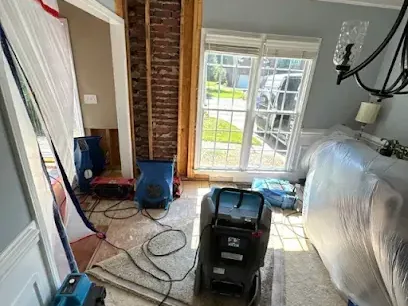
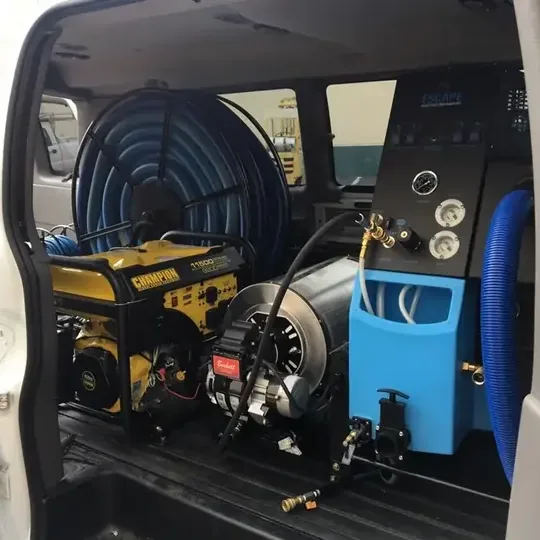
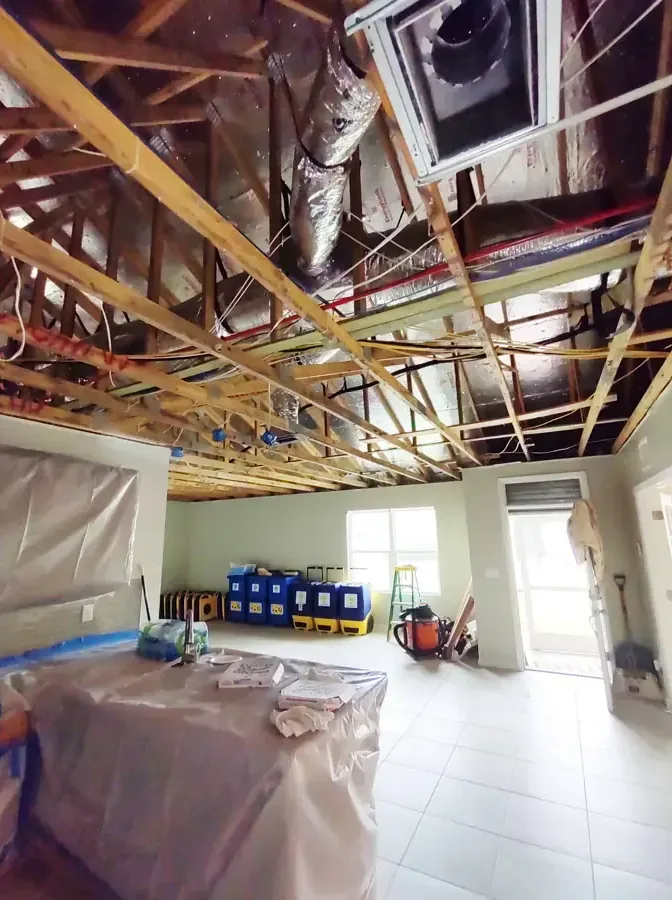
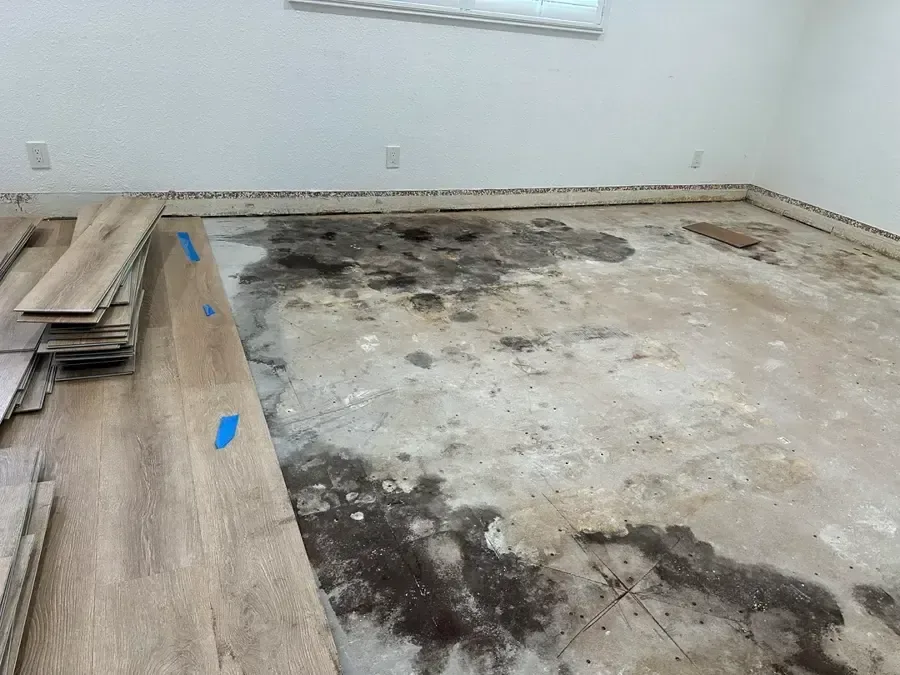
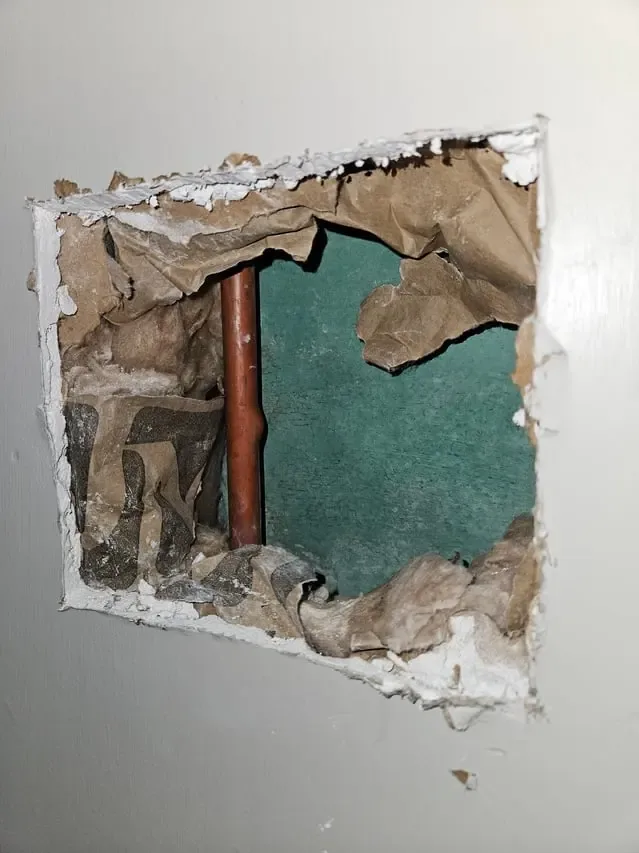
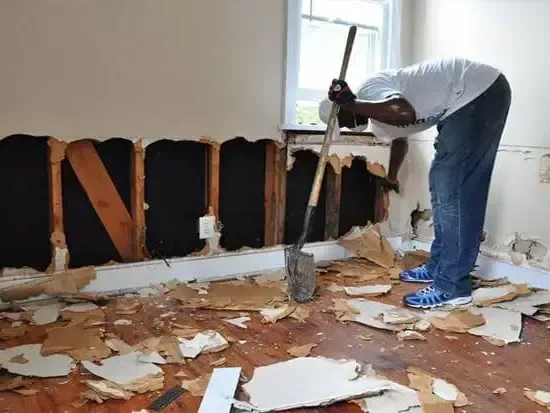
Inside a structural dry-out, from opened walls to drying equipment
Water damage pros covering Thompson's Station around the clock
The response team covers every subdivision in town, including Bridgemore Village off Critz Lane, Canterbury, Saddle Springs, Vale Creek off Bethesda Road, Whistle Stop and the homes around Tollgate Village. Dispatch asks what got wet and where the water started, so the right equipment goes out first.
ZIP code 37179 also reaches into part of Spring Hill, and some homes on the north side carry a Franklin address.
Neighborhoods and corridors
Nearby communities
Water damage in Thompson's Station, TN: the local risk profile
The town counted 1,283 residents in 2000 and 7,485 in 2020, so most homes here are newer subdivision builds, many finished after 2000 in neighborhoods like Bridgemore Village and Canterbury.
- Thousands of newer homes. The 2000 Census counted 473 housing units in town, and growth since then means water heaters, washer hoses and supply connectors across whole subdivisions are of a similar age.
- Spring hail and wind. National Weather Service storm reports from March 27, 2021 include hail at Thompson's Station, and wind and hail can open shingles, flashing and vents to rain.
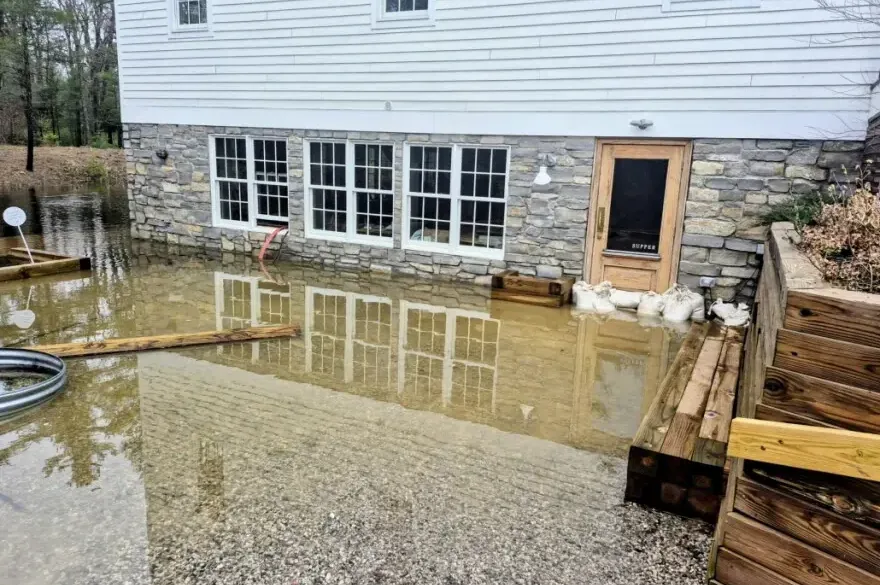
- Regional flash floods. The May 2010 storms dropped 14 to 15 inches in two days across Davidson, Williamson and nearby counties, and stalled storms can push runoff into garages and lower rooms.
- Statewide hard freezes. A January 2024 winter storm brought heavy snow and a hard freeze across Tennessee, and supply lines in attics, garages and outside walls split first.
- Town sewer and septic. The Town provides sewer service to seven named subdivisions while septic inspections go through the County, so a backup can start in either system.
Historic flash flooding hit Middle Tennessee. The National Weather Service issued a rare Flash Flood Emergency covering northern Williamson County, and storm reports logged hail here.
Water damage questions in Thompson's Station, TN
Plain answers to what homeowners here ask once water reaches the floor.
What should be done in the first hour after a leak?
Close the main valve, switch off breakers for wet rooms if the panel is dry, photograph every wet surface, move rugs and valuables to a dry room, then call. The sooner drying starts, the more drywall, pad and flooring stays in place.
Who handles the water service and meter in town?
Water service here comes from the H.B. & T.S. Utility District, so questions about the water service or the meter go to the district. Inside the house, the main shutoff is yours to close the moment a leak starts.
How fast does a crew respond to active water?
Dispatch runs 24/7, holidays included, and active water is treated as urgent. The response team asks which rooms are wet, which floor and where the water came from, so the right extraction and drying equipment goes out together.
Does homeowners insurance cover the damage?
A sudden and accidental leak, such as a split line or a failed water heater, is usually treated differently from storm water rising from outside, which falls under flood coverage. Your own policy decides, so check it with your insurer. The drying team documents the loss either way.
Are permits needed for repairs after water damage?
The Town Building and Codes Department handles building permit requests, and applications and inspection requests go through the GeoCivix online system. The contractor doing the rebuild checks what the repair needs; drying and extraction come first.
How long does structural drying usually take?
A contained clean-water loss usually dries in three to five days. Concrete, hardwood and long-running leaks take longer. The drying team logs readings every day and removes equipment only when materials sit within 2 to 4 points of a dry reference.
What does the IICRC S500 standard cover?
It is the restoration trade's written standard for water losses. It sorts water into three categories and losses into four classes, spells out how moisture gets measured and defines the point where a building counts as dry, so nobody has to eyeball it.
When does wet drywall have to be removed?
Gypsum board that only soaked up clean water can usually stay and dry with airflow and dehumidification. Removal makes sense once sewage or runoff reached it, once it bulges or turns soft, or once the batts behind it are saturated, and the meters decide which.
Why is a sewage backup handled differently?
Backed-up sewage is Category 3 and carries germs into anything porous. Crews suit up, seal off the area, strip out carpet, pad and lower drywall the water reached, then apply an EPA-registered antimicrobial and give it the full dwell time before the drying gear starts.
How is the price of a water damage job set?
The price follows the water category, the square footage that got wet, the material class and how quickly drying started. Equipment days, removal and the antimicrobial step are listed in a line-item scope, and the cost calculator gives a planning range first.
Water moving through the house right now? Call the restoration team.
The extraction crew takes out the water, the drying team brings the structure to the S500 goal, and the claim file gets every reading.