Water Damage Restoration Kingston Springs, TN
Water damage in a Cheatham County home gets one plan: stop the source, pump out standing water, then dry walls, floors and framing with moisture readings until the structure reads normal.
(888) 849-5796 Talk to the drying team now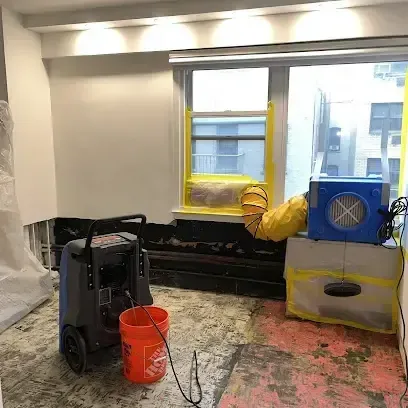
Steps to take while water is still spreading
Early choices keep a leak from becoming a rebuild. Stay safe, stop the water at its source, and protect what can still be saved.
Stay clear of danger
Switch off power to wet areas if the panel is dry and reachable. Stay out of rooms with sagging ceilings or standing water near outlets.
Find and stop the source
Close the main shutoff for a pipe or hose failure. For a roof or ceiling leak, catch drips and shield the room below.
Lift what you can
Move rugs, electronics and small furniture off wet floors, and carry soaked contents to a dry room before they stain or warp.
Photograph before cleanup
Record the damage, the source and affected belongings with photos and video. Adjusters want to see the original condition.
Call a mitigation team
Describe what failed and where the water traveled. Drying can begin while insurance details are still being sorted out, so the call need not wait.
Water still spreading? Call now, any hour: (888) 849-5796
Water damage services for local homes and shops
Each service below starts with the same questions: where did the water come from, how far did it travel, and what is still wet behind the surface?
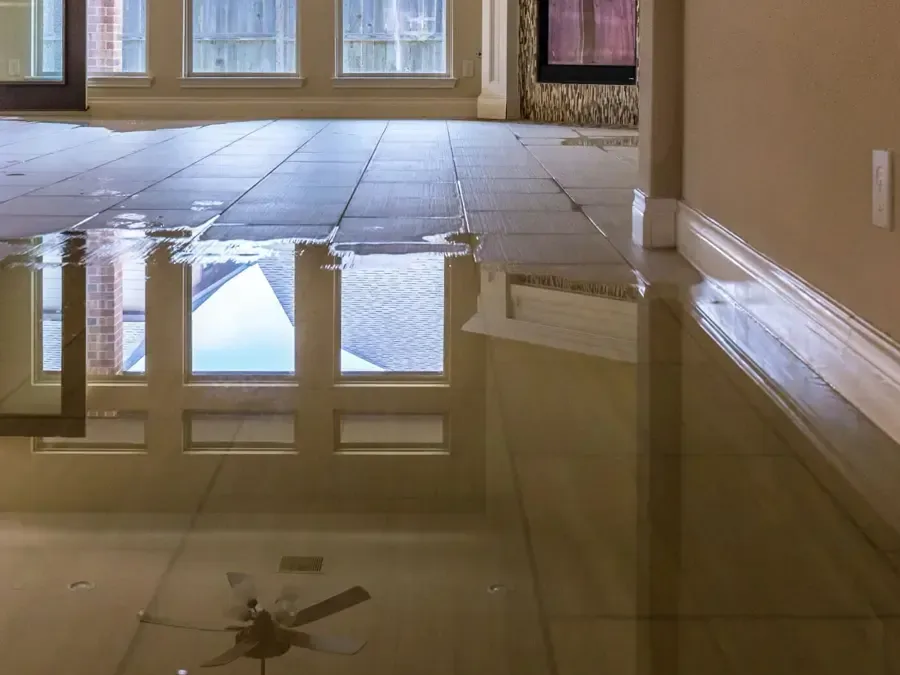 Water Extraction and RemovalPumps and extractors remove standing water first, because drying cannot begin while water still covers the floor.See the service
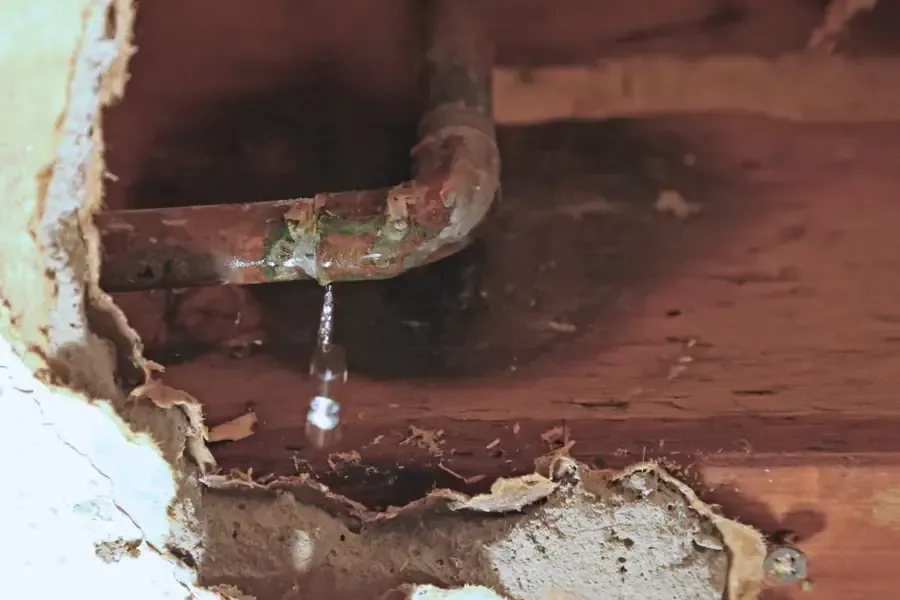 Burst Pipe Water DamageA split supply pipe soaks walls and floors until the main shutoff is closed, then cleanup and drying begin.See the service
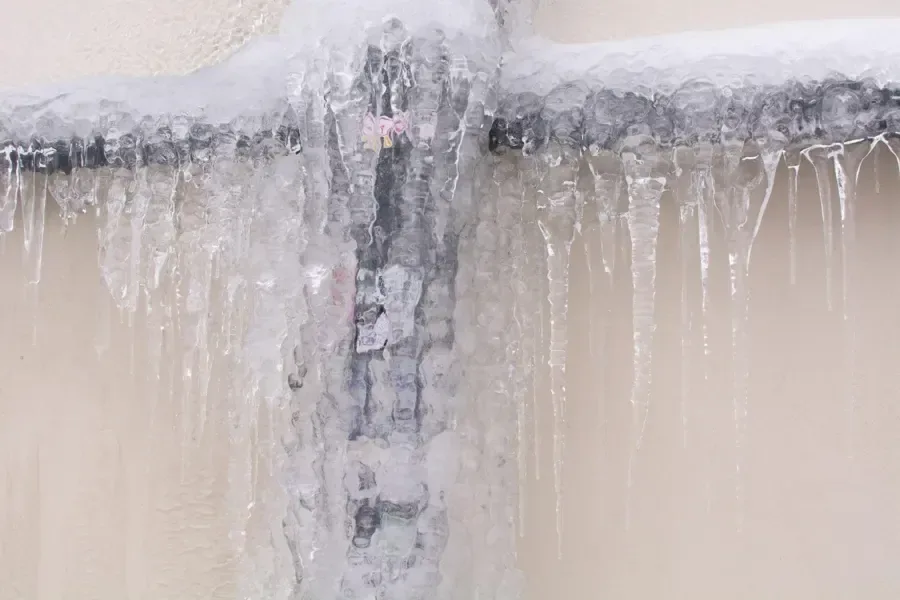 Frozen Pipe Water DamageFrozen pipes can split, and the water often appears only when the thaw begins and the pipe starts flowing again.See the service
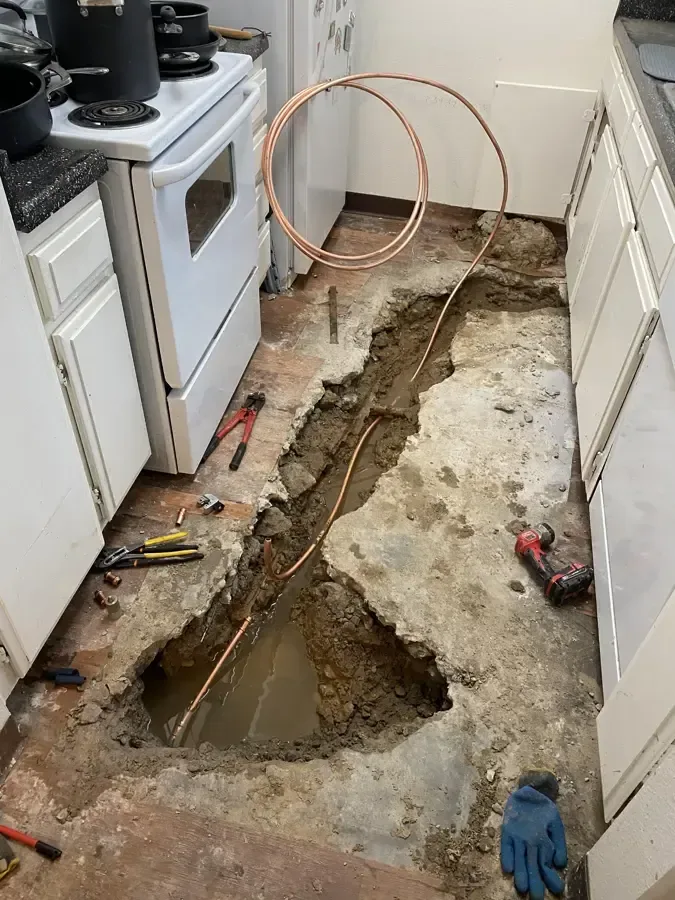 Slab Leak Water DamageA leak under a concrete slab may show up as damp flooring, warm spots or a water bill that keeps climbing.See the service
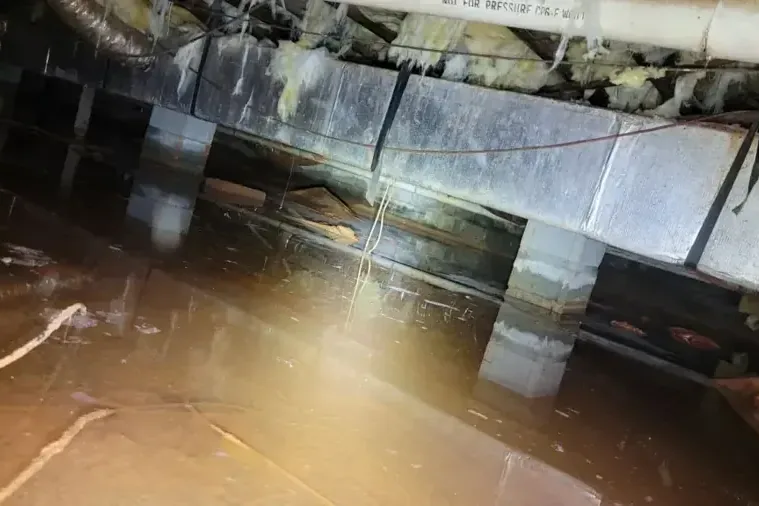 Crawl Space Water RemovalWater under a house collects out of sight and can soak insulation, the vapor barrier and floor framing.See the service
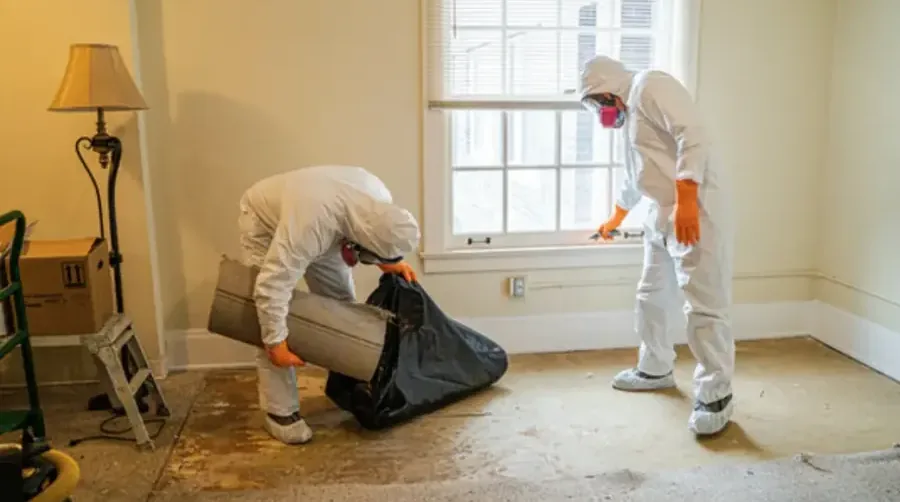 Sewage Backup CleanupSewage backups are Category 3 water, so removal, disinfection and careful disposal come before any drying starts.See the service
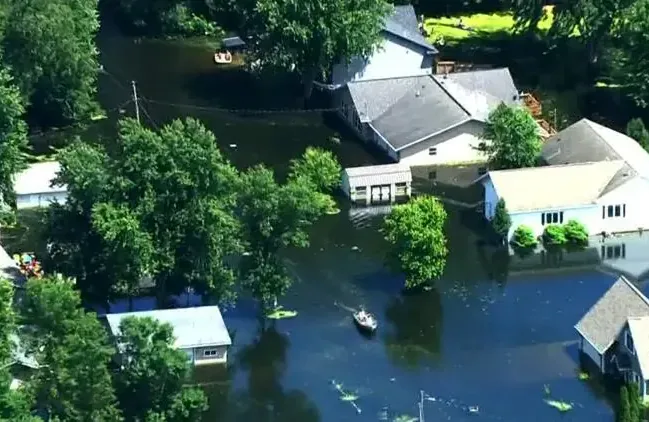 Storm and Flash Flood CleanupStorm and runoff water bring mud and debris indoors, so cleanup starts with removal before the drying equipment goes in.See the service
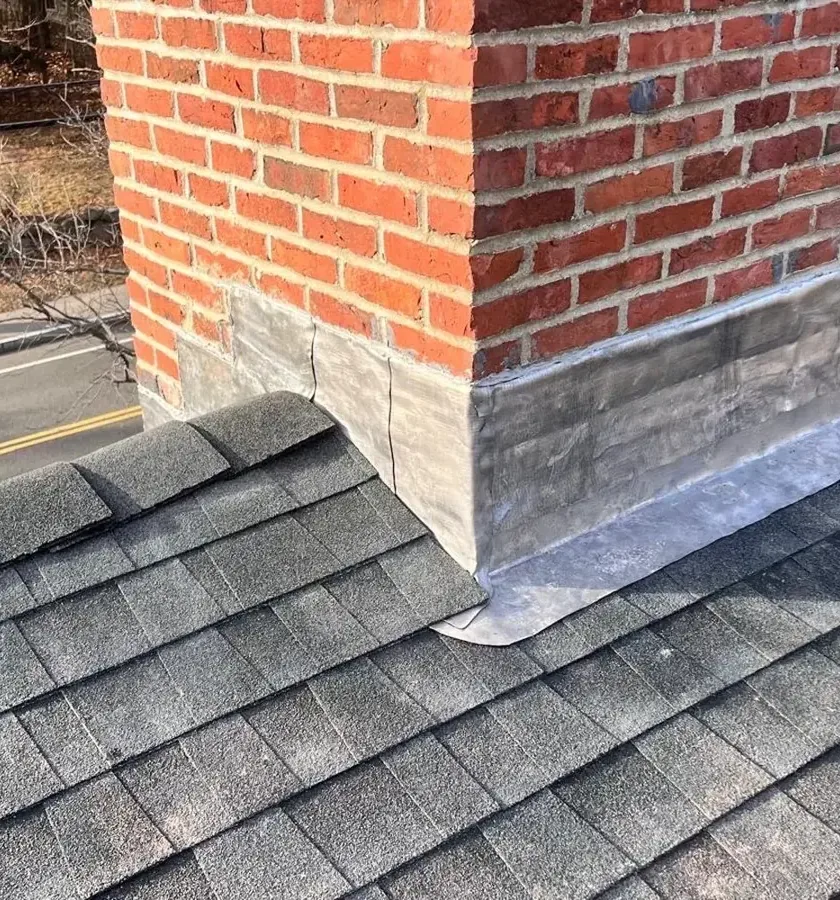 Roof Leak Water DamageWind can open a roof to rain, and the water often travels along framing before a ceiling shows it.See the service
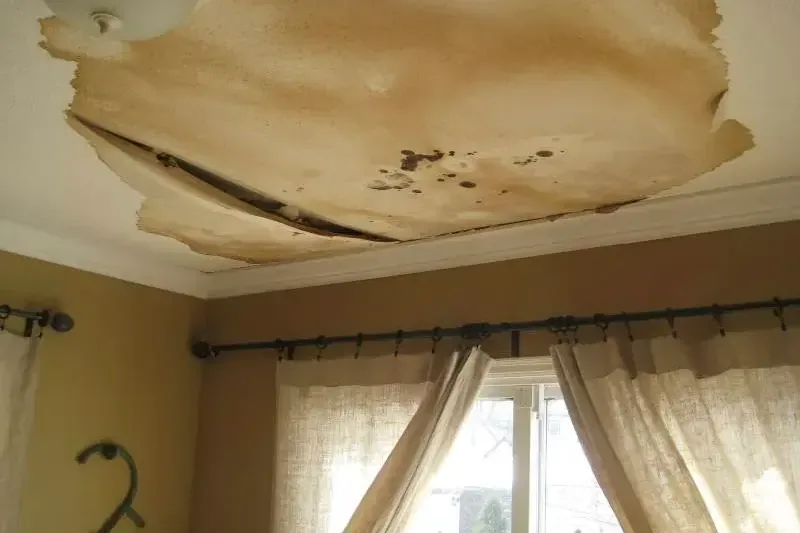 Ceiling Leak Water DamageA ceiling stain means the source must be traced before wet drywall and insulation are dried or replaced.See the service
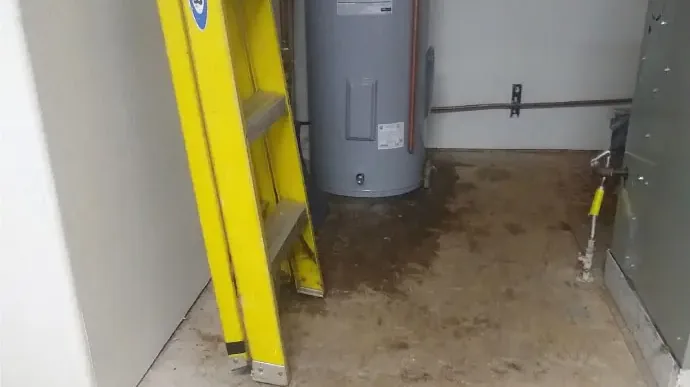 Water Heater Leak CleanupA leaking tank water heater can spread water across a utility room and into the rooms beside it.See the service
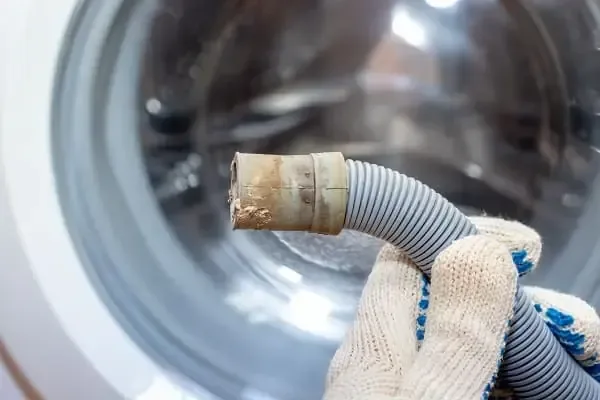 Appliance and Supply Line LeaksWashing machine, dishwasher and refrigerator hoses often leak unseen behind the appliance until the floor gives it away.See the service
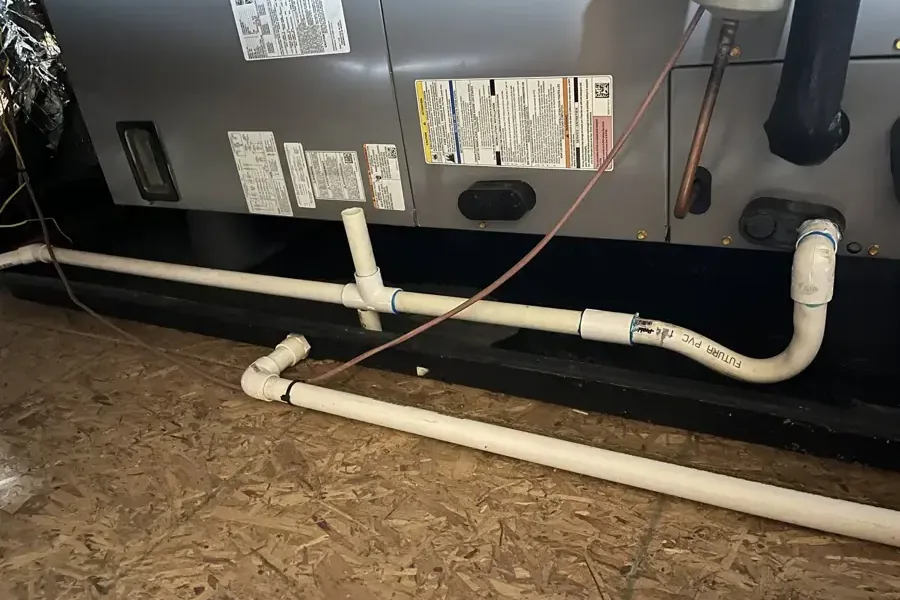 HVAC Condensate Leak Water DamageA clogged condensate drain can overflow and stain ceilings or flooring around an air handler.See the service
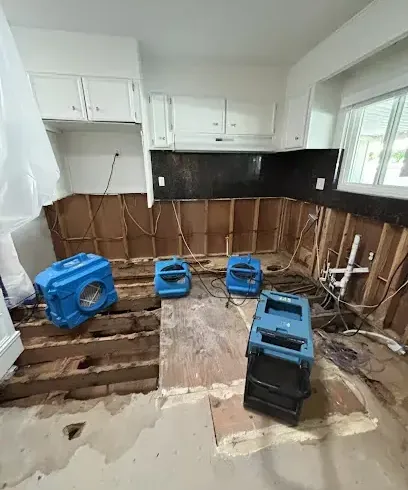 Structural Drying and DehumidificationWet framing, subfloor and drywall are dried with moisture readings taken again and again until levels return to normal.See the service
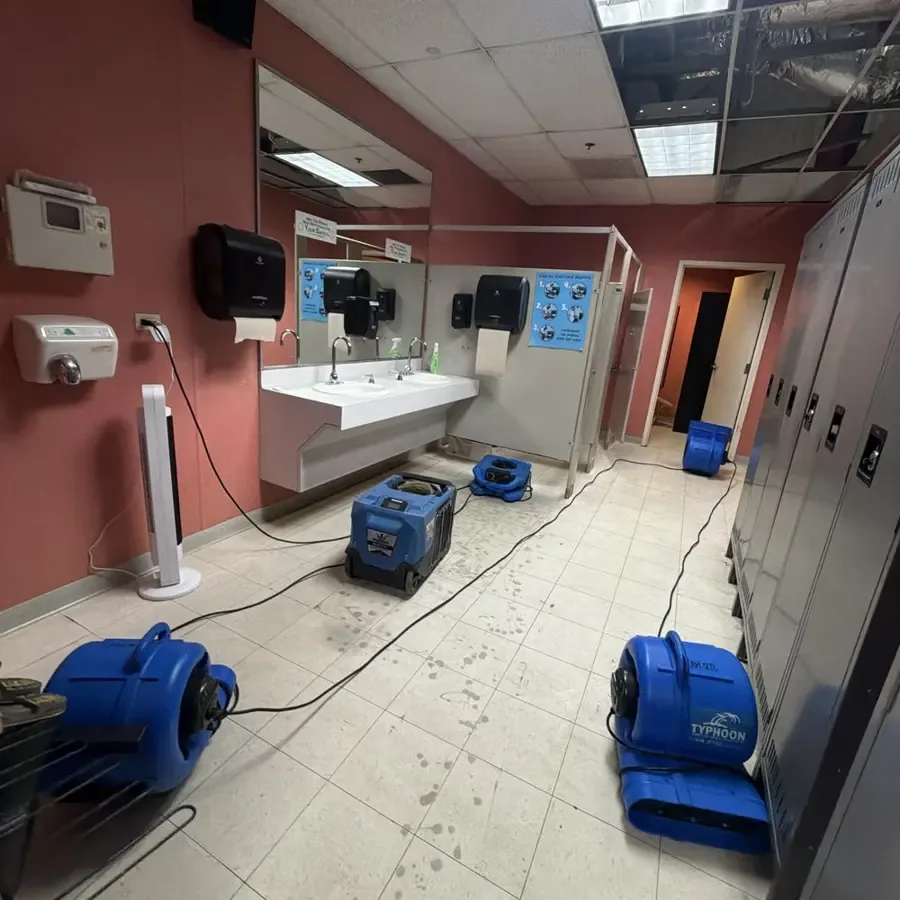 Commercial Water DamageShops, restaurants and offices get containment and drying planned around opening hours, so the business can reopen.See the service
Describe what happened and the crew will point to the right service, whether the water came from a pipe, a roof or a drain.
(888) 849-5796 Talk it through nowA repeatable process from first call to final reading
Every job follows a written order of work: control the source, remove water, open what is trapped, dry with equipment, and confirm the result with a meter before anything is rebuilt.
- 1
Assess and contain
Moisture meters and a thermal camera map where the water went, and plastic sheeting keeps wet zones separate from dry rooms and occupied space.
- 2
Extract
Pumps and extractors remove the bulk water from floors, subfloors and low spots, which cuts the drying load before equipment is set.
- 3
Dry
Air movers and dehumidifiers run on a plan matched to the materials, with readings logged so the drying can be shown, not assumed.
- 4
Verify and document
Final readings are compared with dry reference points, and the photos and logs are organized for the insurance file and the adjuster.
Clean, gray and black water need different handling
The source decides the category, and the category decides protective gear, disposal and what can be saved.
Supply pipe failures and tank leaks start as clean water, but it turns questionable when materials stay wet and the area is not dried. Burst pipe cleanup
Washing machine and dishwasher overflows carry soap and soil, so wet materials get a closer look and careful removal before drying. Appliance leak help
Sewage and storm runoff carry bacteria, so affected porous materials come out and the area is cleaned and disinfected. Sewage backup cleanup
What water damage cleanup usually costs
Cleanup cost follows the water category, how many rooms are wet and how long the water sat. Most residential jobs fall between $1,000 and $10,000+, and an on site assessment sets the real figure.
Small and caught early
$1,000 to $3,000- One room or a single area
- Clean water from a pipe or appliance
- Extraction and a short drying run
Several rooms or a ceiling
$3,000 to $6,000- Water reached walls or a second room
- Flooring or drywall removal likely
- Longer drying with daily checks
Large loss, long exposure, or sewage
$6,000 to $10,000+- Two levels or a crawl space involved
- Category 3 water and disposal
- Extended drying and documentation
Four things set the price: the water category · the wet square footage · the material class · when drying began
These ranges shift with flooring type, access and water category. Insurance coverage and the final scope after meter readings decide the actual total. Every figure is a typical range, not a quote.
Working with your insurance company
Most water claims move faster with good records. These items give an adjuster a clear picture of what happened and what was done.
- Photos of the source and every wet room
- Date and time the leak was found
- Receipts for emergency repairs
- List of damaged belongings
- Moisture logs from the drying team
Coverage usually depends on how the water arrived. A sudden pipe failure or appliance break is treated differently from slow seepage or groundwater, so read the policy language before assuming either way.
Filing early is wise. The mitigation team can share its readings and photos directly, which keeps the claim file complete while drying continues.
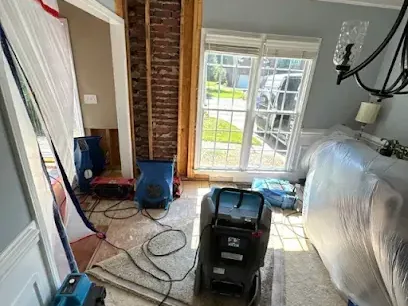
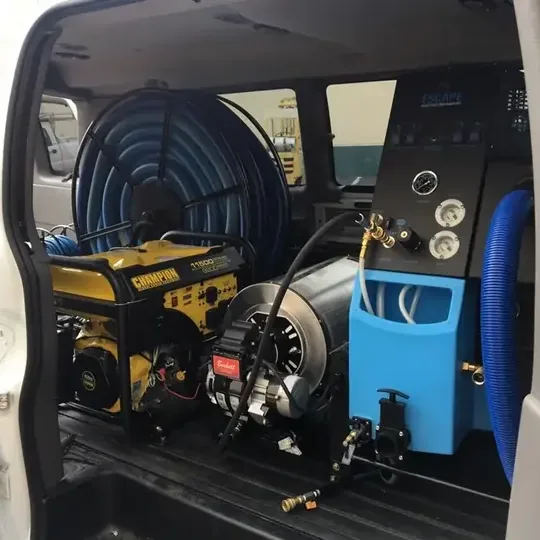
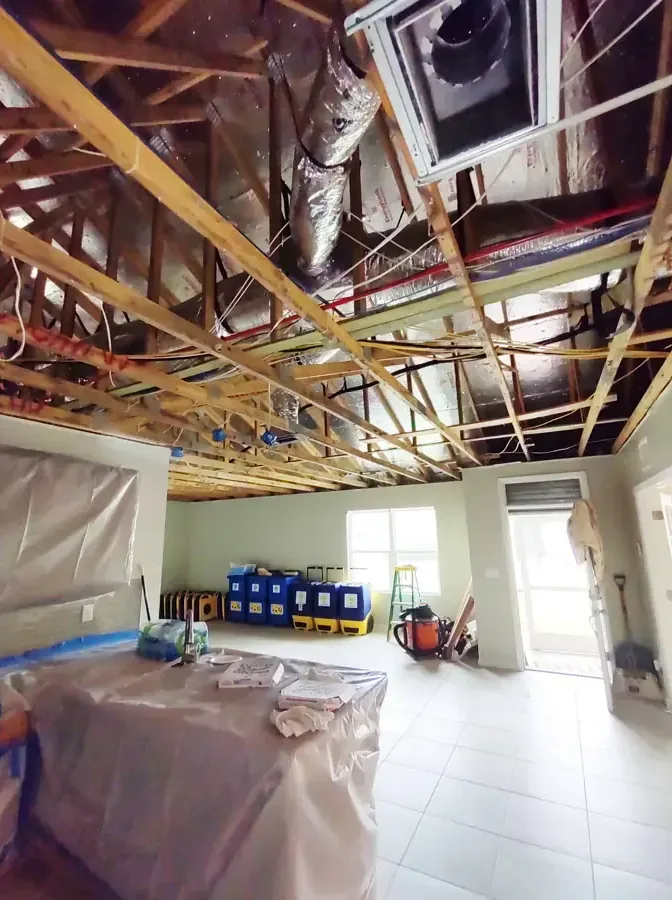
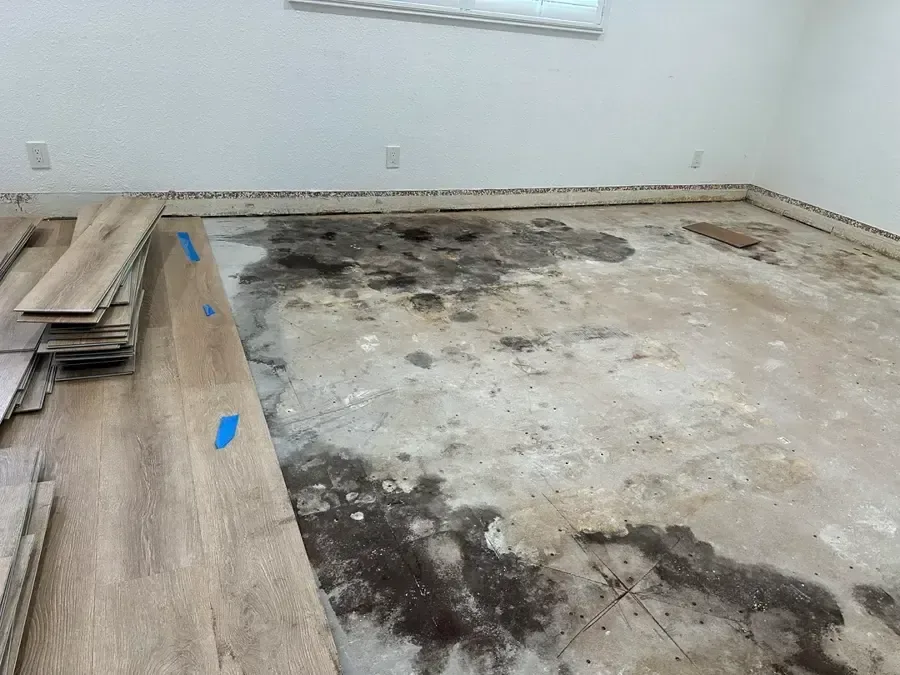
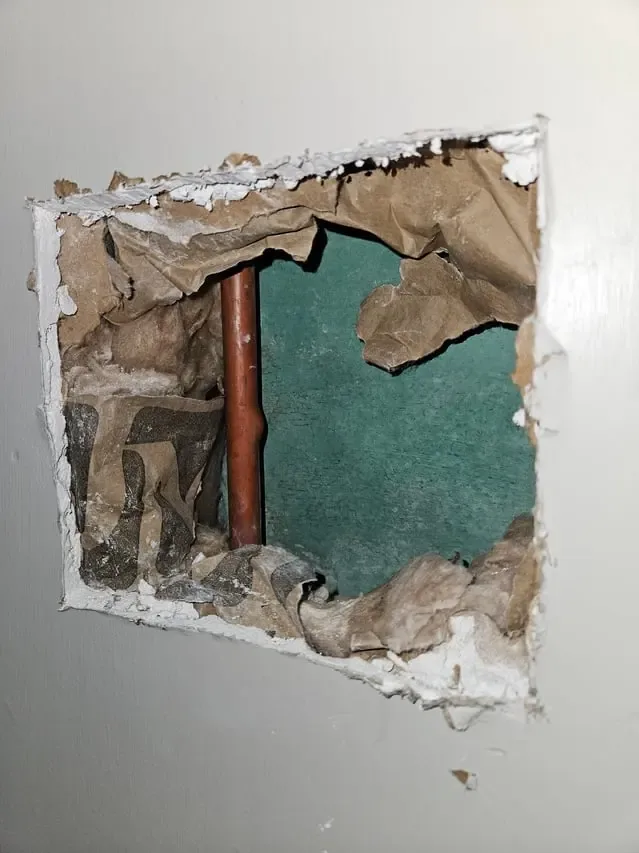
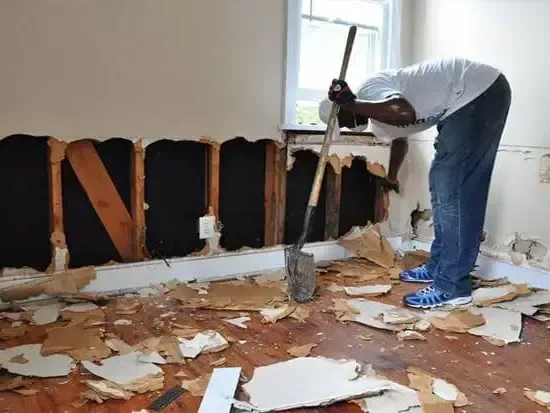
Equipment and methods used on water damage jobs
Where the restoration team works in Cheatham County
The restoration team works throughout downtown Kingston Springs and the residential areas that grew after municipal sewer service was added in 1989, plus the businesses, restaurants, churches and schools that serve this part of Cheatham County.
The Town uses ZIP code 37082 in its official contact details. A property near the edges of town should simply ask whether the team covers the address.
Landmarks and local streets
Nearby communities
What local weather and sewer news mean for homes
Severe storms, an aging municipal sewer and older downtown homes shape the water problems restoration crews see here. None of that is cause for alarm, only a reason to know the early signs.
- Storm wind and rain The early April 2025 storms showed that severe weather reaches local homes. Wind damage to a roof can let rain in long before a stain appears below.
- Aging sewer pipes Town officials say cracks form and manhole seals corrode as the sewer ages, allowing seepage and overflow in wet weather. Any backup inside a home still needs careful handling.
- Homeowner septic tanks The municipal sewer is a STEP system built in 1989. In that design, tanks owned by homeowners hold the solids on their property while wastewater is pumped out.
- Older downtown homes Older homes exist downtown, where worn hoses, water heaters and roofs can fail quietly. Hidden moisture in framing behind finished walls is the usual surprise.
- Wet weather seepage The Town is rehabilitating manholes to reduce groundwater entering the sewer during wet weather, a reminder that heavy rain can strain buried systems.
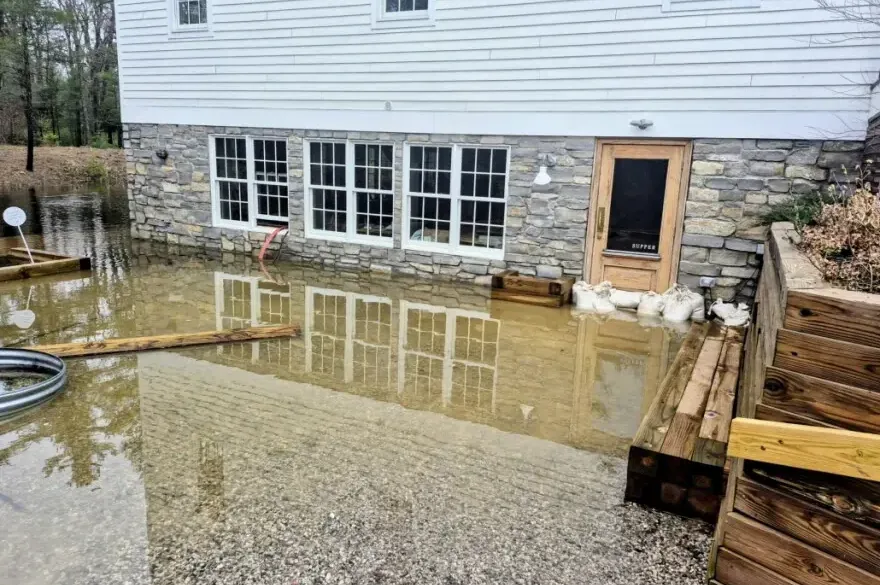
Severe storms damaged ten homes and uprooted large trees in Kingston Springs. A funnel cloud was seen but never fully reached the ground, and no injuries were reported.
Questions homeowners ask most
Straight answers about water damage, drying times, costs and claims for local homes.
How fast does water damage spread?
Water moves into drywall, insulation and subfloors quickly, and mold can start growing after 24 to 48 hours. Calling early and starting extraction is the best way to limit how much has to be torn out, and it keeps the final bill closer to the low end.
What happens before drying equipment is set?
Standing water is extracted first, and wet materials that cannot be saved are removed. Meters then map the moisture so equipment is placed where it works best. Skipping that order leaves hidden moisture behind walls and under floors, which is how repeat problems start.
Does insurance cover water damage cleanup?
Coverage depends on the cause. Sudden events such as a split supply pipe are often treated differently from gradual seepage. See burst pipe cleanup for what the documentation looks like, and read the policy language closely.
What does a sewer backup mean for a home?
Sewage is Category 3 water, so affected porous materials usually come out and the area is disinfected. The Public Works Department lists separate contacts for sewer issues in business hours and after hours, while restoration handles the interior of the home and the drying that follows.
How are storm and runoff water handled?
Storm water is treated as contaminated, so mud and debris come out first and surfaces are cleaned before drying. Storm and flash flood cleanup covers the full sequence after severe weather, from debris removal through final moisture readings.
Can a wet floor or wall be saved?
Often yes when the water is caught early. Hardwood, drywall and insulation respond differently, and moisture readings show whether a material dries in place or has to be removed. Carpet over clean water is the most likely to be saved.
Plumber or restoration team, which comes first?
A plumber repairs the failed pipe, fitting or appliance. The restoration team removes water and dries the structure, and the two jobs usually happen back to back so walls are not closed over damp framing.
What details help when calling?
Say what failed, which rooms are wet, how long water has been there, and whether sewage or storm water is involved. Photos taken before cleanup also help the team plan, and a short list of damaged belongings helps the claim later.
Does the team handle shops and offices?
Yes. Commercial jobs add containment and drying planned around business hours, covering retail, restaurants and offices. Learn how stock and contents are handled under commercial water damage.
How is a structure confirmed dry?
Readings from drywall, wood framing and concrete are compared with dry reference points. Equipment comes out only when those numbers reach normal, and the log goes into the claim file with the photos taken along the way.
Water in the house? Get the drying started
Describe the problem in Kingston Springs, and the response team will explain the next step for stopping the water and protecting the structure.