Drying Time Estimator for La Vergne, TN
Choose the wet material, how wet it is and when drying started to see a typical structural drying time.
Equipment comes out when readings reach the drying goal, not on a set date.
(888) 849-5796 Get the drying equipment setA planning range only, built from typical local losses. The restoration team sets the real scope after the moisture map.
How this tool works
Drying time depends on the material class. Drywall and framing give up water quickly. Concrete slabs, hardwood and plaster hold it deep and count as Class 4, which often means desiccant dehumidifiers and drying mats. Local homes sit on both slabs and crawl spaces, and a wet subfloor over a crawl space needs the space below dried too.
How fast drying starts matters as much as the material. Water that sits for days wicks higher and soaks deeper, and humid summer air speeds up mold growth. The drying team logs readings every day and stops only when wet materials sit within 2 to 4 points of a dry reference in the same building.
Water damage services that fit this result
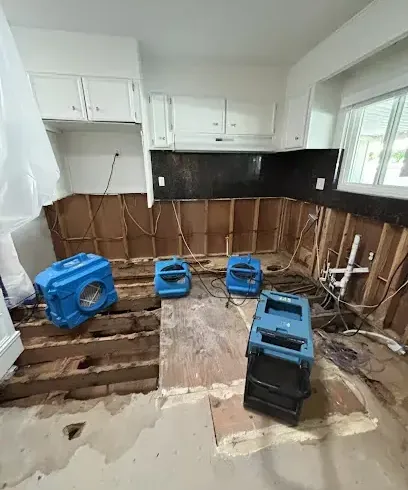 Structural Drying and DehumidificationFraming, subfloor and concrete dried to within 2 to 4 points of a dry reference.
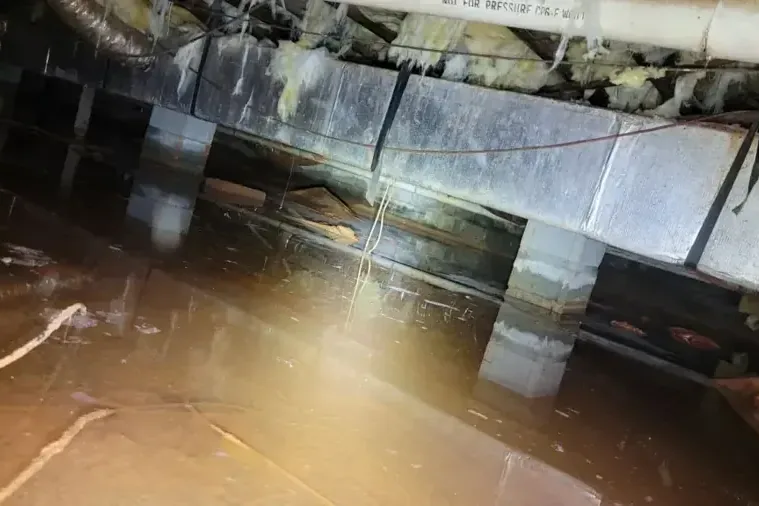 Crawl Space Water RemovalStanding water under raised floors pumped, wet insulation removed and joists dried down.
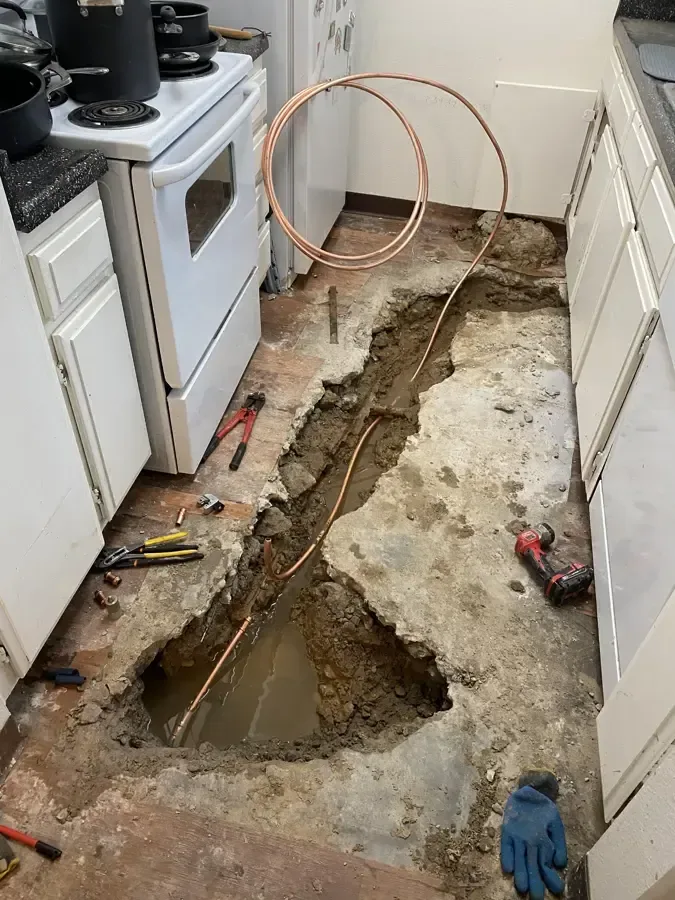 Slab Leak Water DamageLeaks beneath concrete floors located with thermal imaging, flooring lifted and the slab dried.
Water in the house right now?
Planning numbers can wait. The extraction crew starts with the water, and the drying team logs every reading for the claim file.