Storm and Flash Flood Cleanup in La Vergne, TN
When heavy Middle Tennessee rain sends runoff into La Vergne garages, ground-floor rooms and crawl spaces, the flood crew extracts it, treats it as Category 3, removes what it soaked and dries the structure.
(888) 849-5796 Runoff came through the door? Start the flood cleanup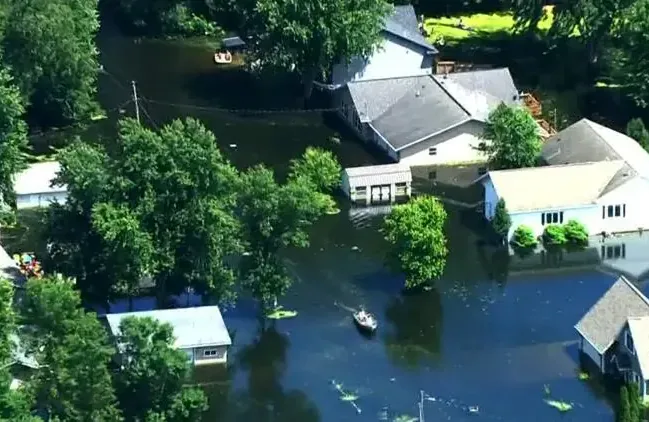
First steps for storm and flash flood cleanup
Stay safe first
Keep out of flood water near outlets or the panel; it can be electrified.
Do not drive through water
Turn around at any flooded road or low crossing.
Photograph the water line
Record the height on walls and every damaged item.
Avoid touching the water
Wear boots and gloves; runoff is Category 3.
What does storm and flash flood cleanup cost in La Vergne, TN?
Storm and flash flood cleanup here typically runs $3,000 to $15,000, depending on the water height, how many rooms took water, the drywall, insulation and flooring removed and whether the crawl space flooded too.
Garage or one room
$3,000 to $5,500- Extraction and silt removal
- Low flood cuts
- Antimicrobial treatment
Ground floor rooms
$5,500 to $10,000- Carpet and pad removed
- Insulation removed
- Daily readings
Whole level and crawl space
$10,000 to $15,000+- Wide flood cuts
- Crawl space pump-out
- Extended drying
Ranges are typical, never a quote: the water category, the square footage, the material class and how fast drying started move the number most. For a closer planning range, run the water damage cost calculator.
How storm and flash flood cleanup is handled, step by step
- 1
Extract
Standing water and silt removed.
- 2
Cut
Wet drywall above the waterline cut out.
- 3
Treat
Surfaces cleaned and antimicrobial applied.
- 4
Dry
Air movers and dehumidifiers run to the goal.
Flood water from outside picks up soil, fuel, fertilizer and sewer overflow on the way in, so the IICRC S500 treats it as Category 3. That changes the job: porous materials it soaked come out, and everything left gets cleaned and treated before drying.
Flash flooding in Middle Tennessee
On May 1 and 2, 2010, torrential rain flooded much of Middle Tennessee, and Mill Creek covered Interstate 24 near Antioch, the Nashville neighborhood on the city's northwest border. Hurricane Creek and the Stones River drain into Percy Priest Lake, and thin cedar glade soil sends hard rain straight across lawns.
- Runoff through garage doors and ground-floor entries
- Water through crawl space vents and low access doors
- Low lots near creeks that take runoff first
What flood cleanup includes
The flood crew extracts standing water and silt, then cuts wet drywall above the waterline and pulls soaked insulation, carpet and pad. Hard surfaces and framing get cleaned and treated with an antimicrobial.
The drying team then sets air movers and dehumidifiers and logs readings daily until the structure reaches the drying goal.
Before and after the storm
Track flood watches from the National Weather Service office in Nashville and follow Ready.gov flood safety steps when water is rising; never drive through a flooded road. Rising surface water is usually a flood policy matter rather than a standard homeowner claim, so check your coverage before the next storm season.
Storm and flash flood cleanup across La Vergne and nearby
The restoration crew works ZIP codes 37086 and 37089, from Lake Forest Estates and the Murfreesboro Road corridor to the Hurricane Creek and Poole Knobs side of Percy Priest Lake, plus Antioch, Smyrna and Murfreesboro next door.
Related water damage services
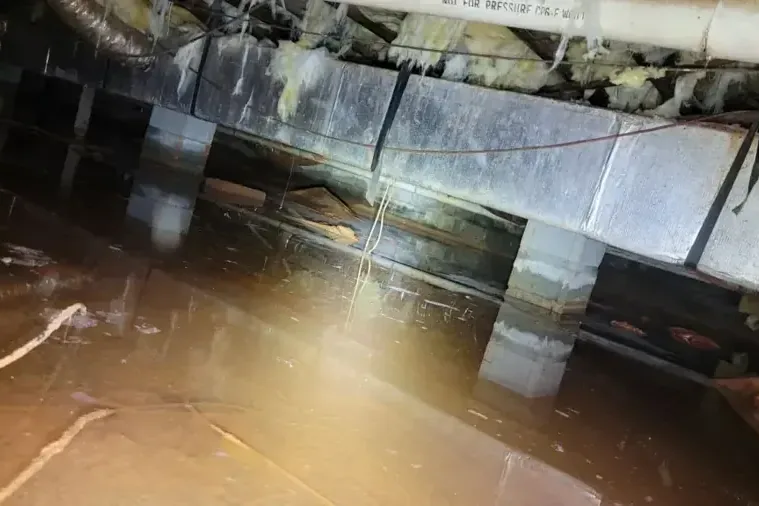 Crawl Space Water RemovalStanding water under raised floors pumped, wet insulation removed and joists dried down.
 Sewage Backup CleanupCategory 3 backups contained, porous materials removed and surfaces treated with antimicrobial.
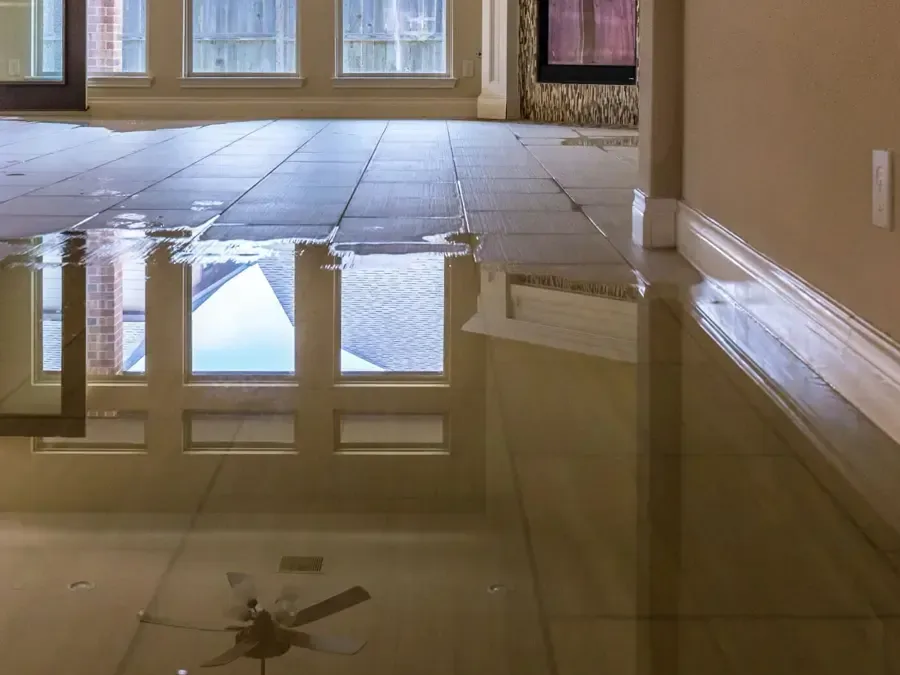 Water Extraction and RemovalStanding water removed with truck-mounted extraction before it spreads into pad, walls and framing.
Storm and Flash Flood Cleanup questions in La Vergne, TN
Flood water inside after a storm? The flood crew works through the night when storms hit.
Is storm flood cleanup different from a pipe leak?
Yes. Outside flood water is Category 3, so soaked porous materials are removed and surfaces treated. A clean supply leak often dries in place.
Does homeowners insurance cover storm flooding?
Rising surface water usually falls under flood coverage, not a standard homeowner policy. Check your own policy and any flood policy with your insurer.
How high do flood cuts go?
Above the waterline, often a set height that clears the wicking, so wet insulation and contaminated drywall come out together.
How soon should flood cleanup start?
As soon as the water stops rising and the area is safe. Mold can start inside 24 to 48 hours, and Category 3 water should not sit.
Can flooded carpet be saved?
Not after outside flood water. Carpet and pad soaked by Category 3 runoff are removed and disposed of.
Does the crew handle silt and mud?
Yes. Silt is shoveled and extracted, then floors and framing are cleaned before treatment and drying.
Storm water came inside? Start the flood cleanup now.
Runoff carries soil and sewer overflow into every porous surface it reaches. The flood crew removes what it soaked, treats the rest and dries the structure.