Crawl Space Water Removal in La Vergne, TN
Water under a raised floor raises humidity in every joist above it. In La Vergne crawl spaces, the crew pumps standing water, pulls soaked insulation and vapor barrier and dries the framing and subfloor with dehumidifiers.
(888) 849-5796 Water standing under the house? Pump the crawl space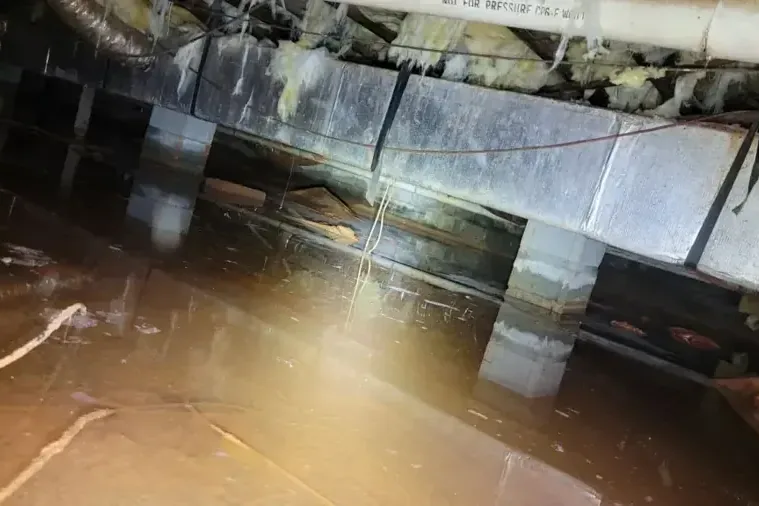
First steps for crawl space water removal
Stay out of deep water
Do not enter a flooded crawl space near wiring or the panel feed.
Stop plumbing leaks
Close the main if a pipe is the source.
Check the floor above
Note soft spots, cupping or musty odors and photograph them.
Keep vents in mind
Note any vents or doors where runoff entered.
What does crawl space water removal cost in La Vergne, TN?
Crawl space water removal here typically runs $1,500 to $7,500, depending on water depth, the category of water, how much insulation and vapor barrier has to come out and how long the framing takes to dry.
Shallow, clean water
$1,500 to $3,000- Pump-out and extraction
- Spot insulation removal
- Dehumidifier drying
Soaked insulation and barrier
$3,000 to $5,000- Full batt removal
- Barrier removed
- Joist and subfloor drying
Runoff or sewer water
$5,000 to $7,500+- Category 3 handling
- Antimicrobial treatment
- Extended drying
Ranges are typical, never a quote: the water category, the square footage, the material class and how fast drying started move the number most. For a closer planning range, run the water damage cost calculator.
How crawl space water removal is handled, step by step
- 1
Inspect
Water depth, source and wet framing mapped.
- 2
Pump
Standing water pumped and extracted.
- 3
Strip
Wet insulation and barrier removed.
- 4
Dry
Dehumidifiers run until wood reads dry.
Crawl space water hides. It can sit under the floor for weeks, soaking insulation and raising humidity in the joists and subfloor, until a musty smell or a soft spot in the floor finally gives it away.
How water gets under the house
Much of Rutherford County sits on cedar glade ground, where thin soil covers flat limestone. Heavy rain has little room to soak in, so it runs toward foundations and into crawl space vents and low access doors. Plumbing leaks add their own share.
- Storm runoff through vents and access doors
- Freeze-split supply lines and drain leaks
- Condensate and dryer vent lines draining under the floor
What the crew removes and what it dries
Standing water comes out first with submersible pumps and extraction tools. Soaked fiberglass batts and torn or flooded vapor barrier come out next, because they hold water against the wood.
The drying team then sets dehumidifiers and air movers in the crawl space and logs readings on joists, sill plates and subfloor until they reach the drying goal. Runoff and sewer water get treated as Category 3.
Keeping the crawl space dry
Grading that slopes away from the house, working gutters and a sealed vapor barrier lower the odds of a repeat. UT Extension publishes home and yard information for Tennessee households, and the EPA indoor air quality overview explains why damp air under the floor matters to the rooms above.
Crawl space water removal across La Vergne and nearby
The restoration crew works ZIP codes 37086 and 37089, from Lake Forest Estates and the Murfreesboro Road corridor to the Hurricane Creek and Poole Knobs side of Percy Priest Lake, plus Antioch, Smyrna and Murfreesboro next door.
Related water damage services
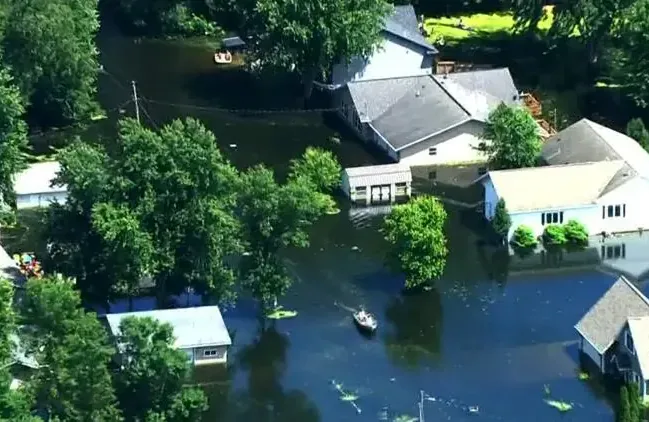 Storm and Flash Flood CleanupStorm runoff and creek water extracted, treated as contaminated and dried out.
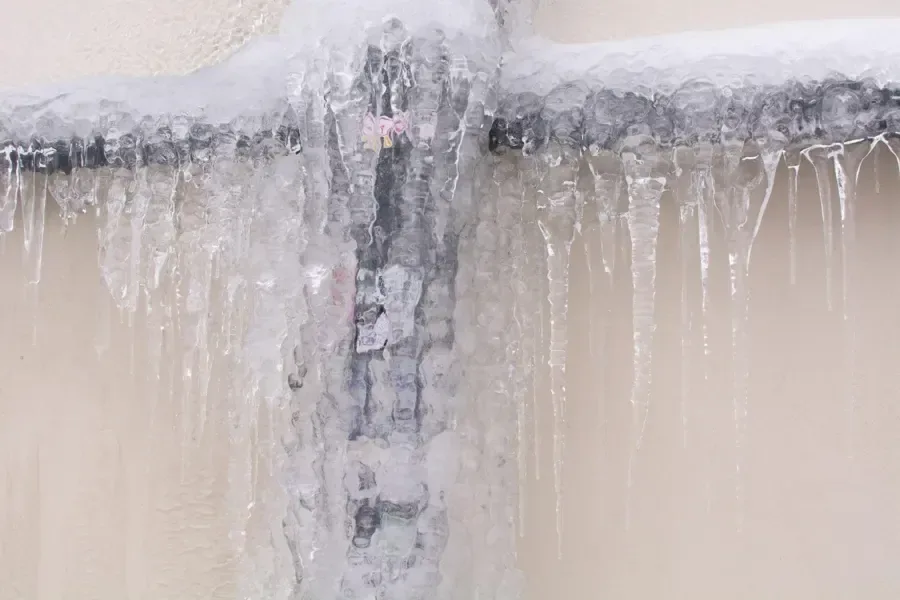 Frozen Pipe Water DamageFreeze-split pipes in crawl spaces and exterior walls mapped, extracted and dried after the thaw.
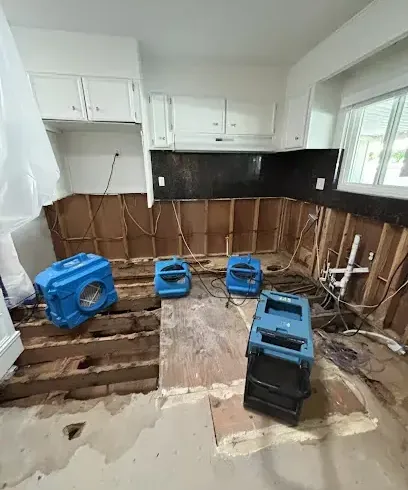 Structural Drying and DehumidificationFraming, subfloor and concrete dried to within 2 to 4 points of a dry reference.
Crawl Space Water Removal questions in La Vergne, TN
Musty floor or water under the house? The crew handles crawl space pump-outs around the clock.
How do you know there is water in the crawl space?
A musty smell, higher indoor humidity, soft or cupping floors and condensation on ductwork are common signs. A look through the access door confirms it.
Does crawl space water removal include new insulation?
The crew removes wet insulation and vapor barrier so the framing can dry. Reinstalling insulation and a new barrier is part of the repair after drying.
How long does a crawl space take to dry?
Four to seven days is typical once the water is out. Deep or long-standing water and wet sill plates can take longer, and readings set the end date.
Is crawl space water treated as contaminated?
Storm runoff and sewer water are Category 3, so porous materials they touched are removed and surfaces treated. A clean supply line leak is Category 1 when caught early.
Can crawl space water hurt the floors above?
Yes. Damp air rises into the subfloor and hardwood, causing cupping and odors. Drying the crawl space protects the rooms above.
Water sitting under the floor? Get it out before the joists soak.
Water in a crawl space keeps soaking insulation, joists and subfloor out of sight. The crew pumps it, strips the wet material and dries the framing.