Water Damage Restoration Pegram, TN
Burst pipes, failed water heaters, sewage backups and storm runoff all follow the same careful sequence in Pegram: water out first, then monitored drying until walls, floors and framing read dry.
(888) 849-5796 Call the drying crew, any hour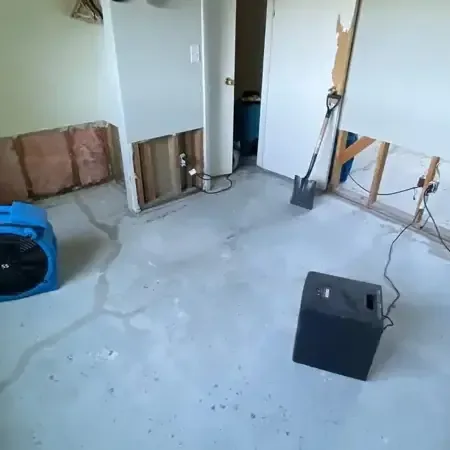
Steps to take while the water is still moving
Acting fast keeps a small leak from becoming a big repair. These moves protect people and belongings until the restoration team arrives.
Stop the source
Shut the main valve or the fixture valve, and switch off the breaker for any room where water touches outlets, cords or appliances.
Keep everyone safe
Avoid sagging ceilings and standing water near electrical items, and keep children and pets away.
Photograph the damage
Take photos and short video of wet rooms, damaged belongings and the source before anything is moved or thrown out.
Lift what is easy to move
Raise rugs, cushions, books and electronics onto dry surfaces, and leave heavy furniture alone.
Call for help
Reach the response team early so extraction and drying can begin, because wet drywall and framing start to hold moisture quickly.
Water still spreading? Call the response team at (888) 849-5796
Services for every source of water
Every source of water calls for a slightly different plan, but the path stays steady: find the wet material, remove the water, then dry the structure until readings confirm it.
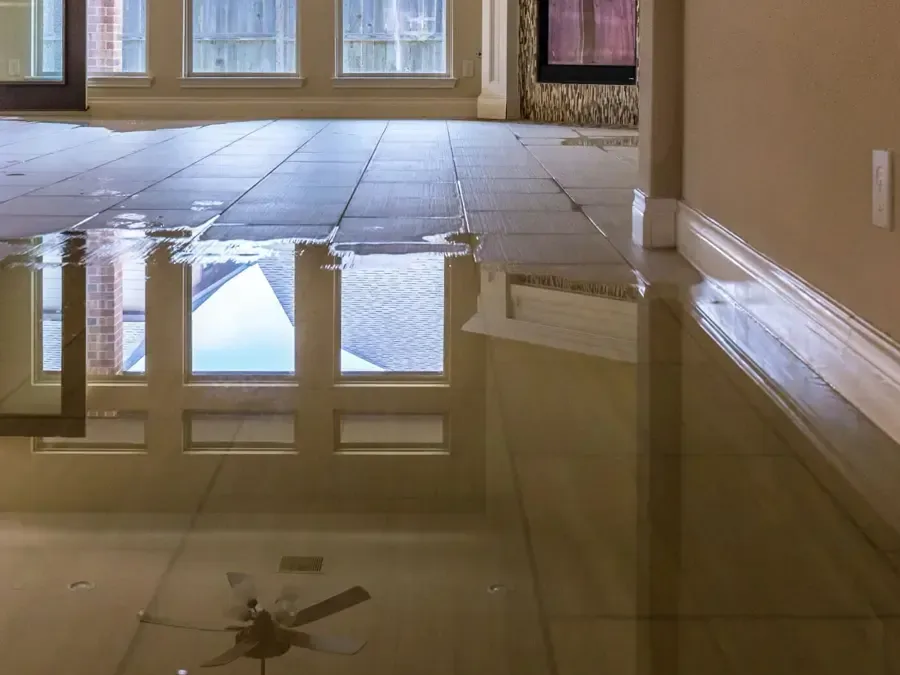 Water Extraction and RemovalPumps and wand tools lift standing water from floors, carpet and pad before it wicks into the walls.See the service
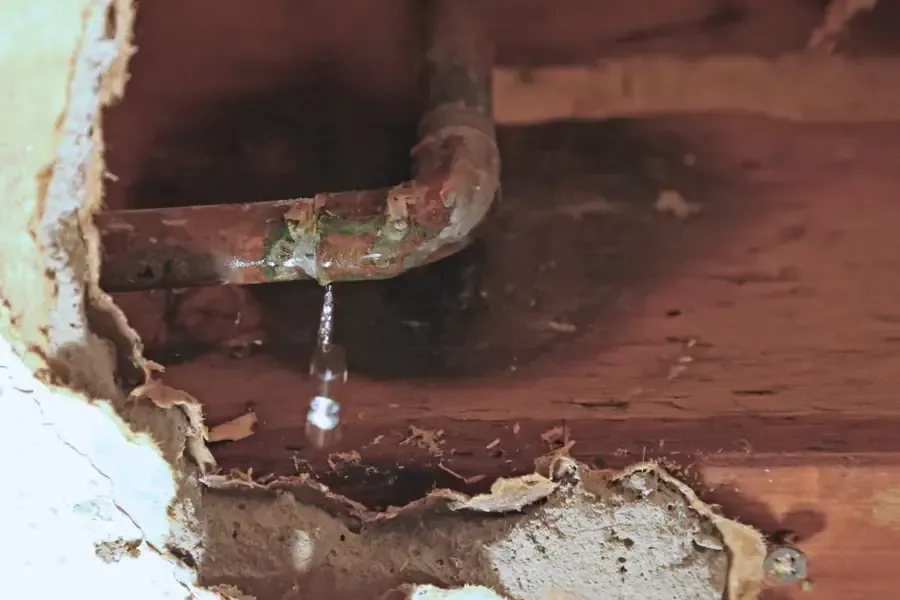 Burst Pipe Water DamageA split supply pipe soaks walls, ceilings and floors quickly, so closing the valve and extracting early limits the spread.See the service
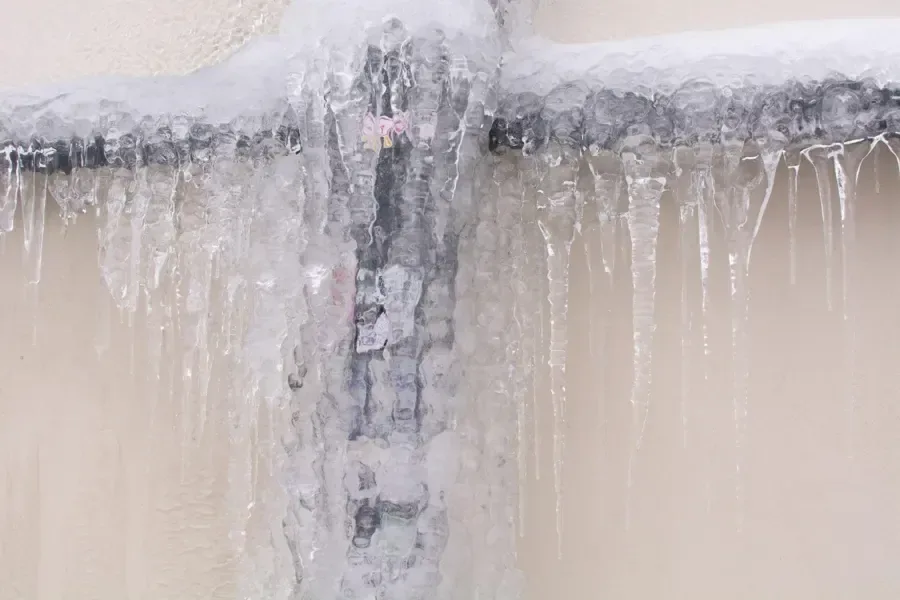 Frozen Pipe Water DamagePipes in unheated spaces can split in a hard freeze, and the damage often shows up when the thaw arrives.See the service
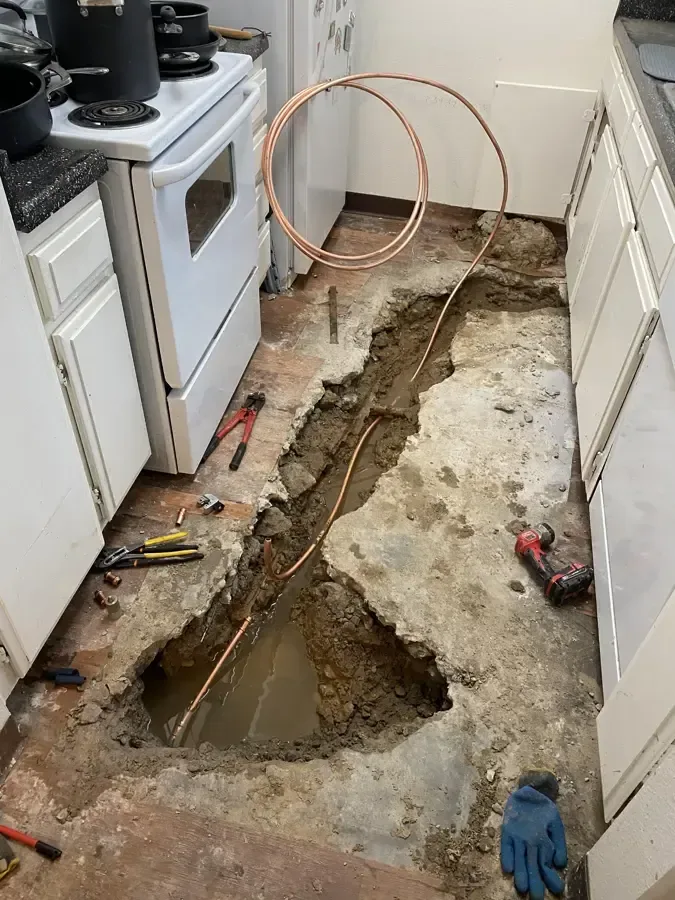 Slab Leak Water DamageA leak beneath a concrete floor can run unseen, so the source is located before the slab and flooring are dried.See the service
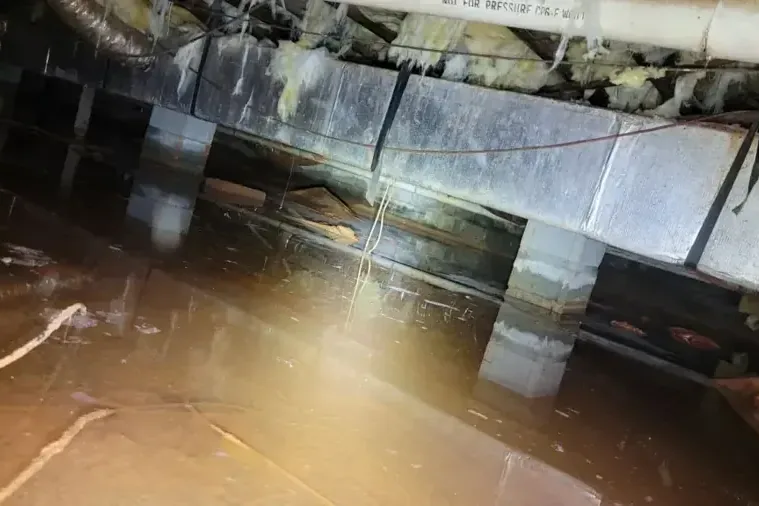 Crawl Space Water RemovalStanding water beneath a raised floor is pumped out, wet insulation is removed and the joists are dried.See the service
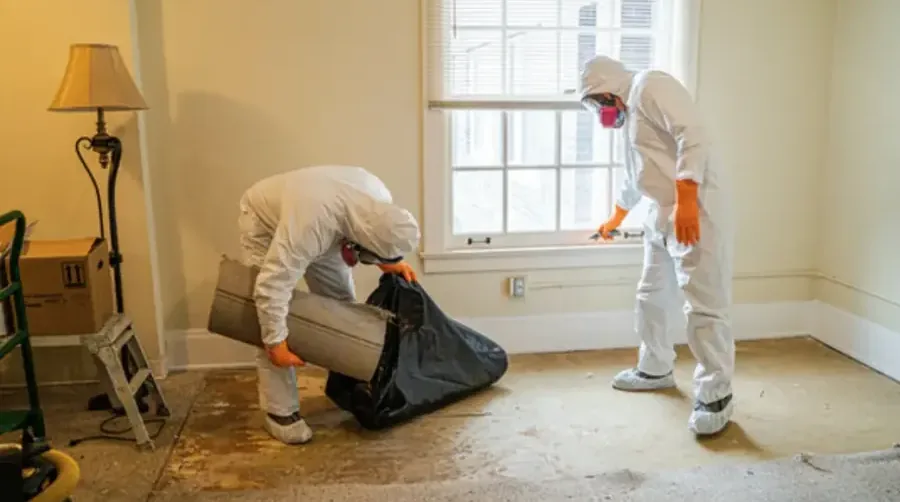 Sewage Backup CleanupCategory 3 water is contained, porous materials are removed and surfaces are treated before drying begins.See the service
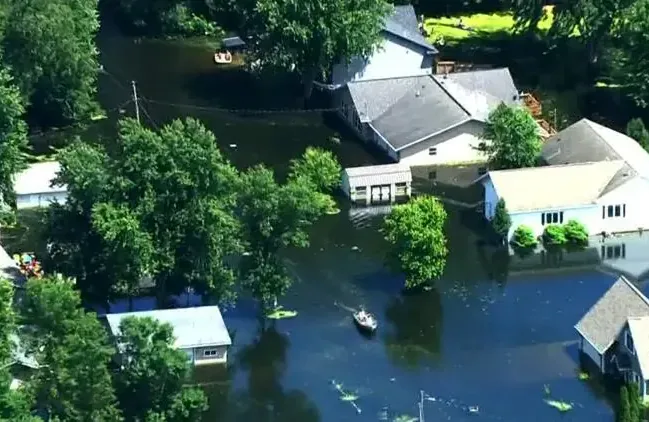 Storm and Flash Flood CleanupFlash flood water brings silt and contamination, so rooms are cleared, cleaned and dried in a set order.See the service
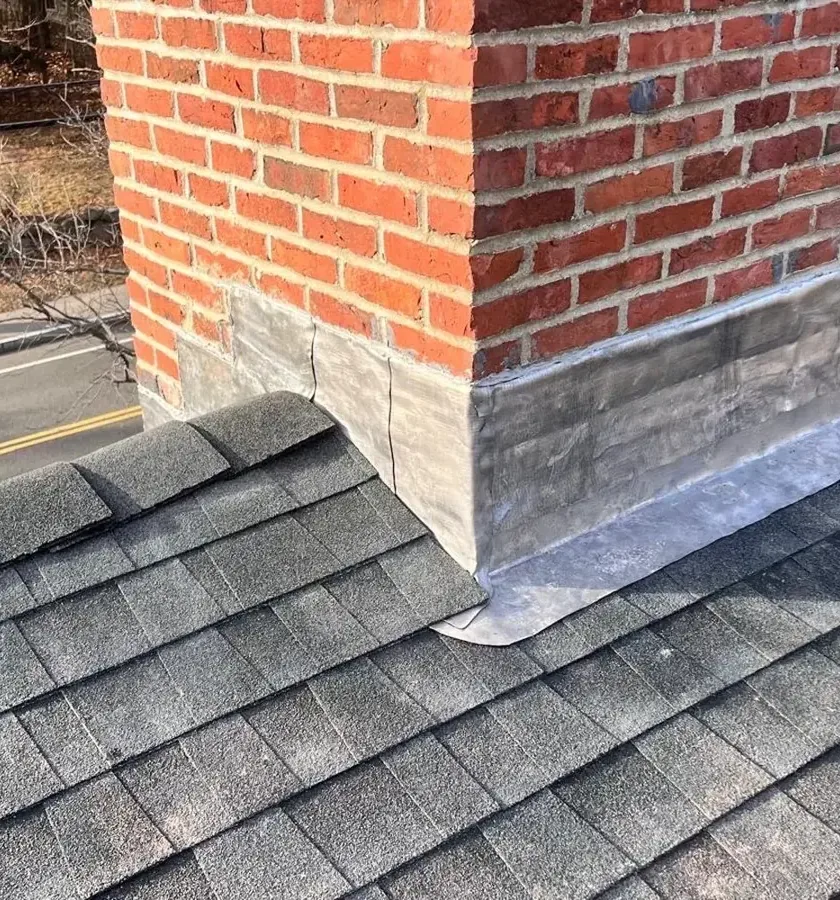 Roof Leak Water DamageDamaged shingles or flashing let rain into attic insulation and ceilings, which are then opened and dried.See the service
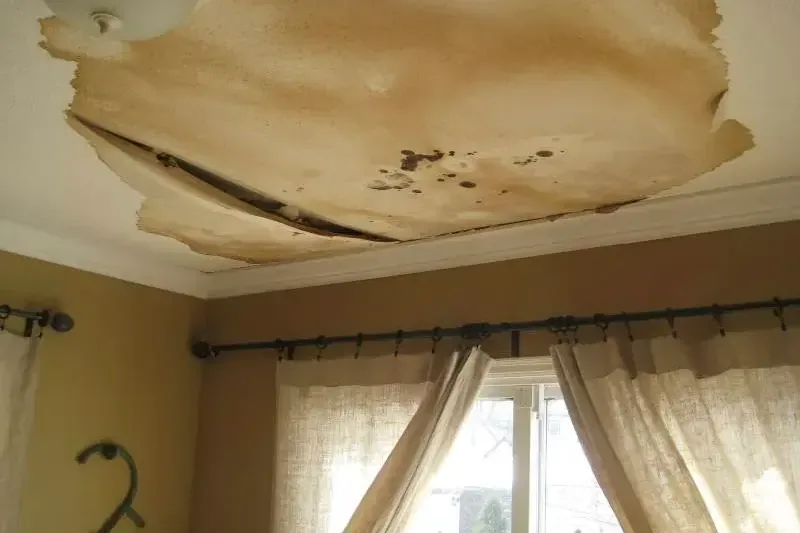 Ceiling Leak Water DamageWater pooled above a ceiling is found, stopped and drained before drywall and insulation hold the moisture.See the service
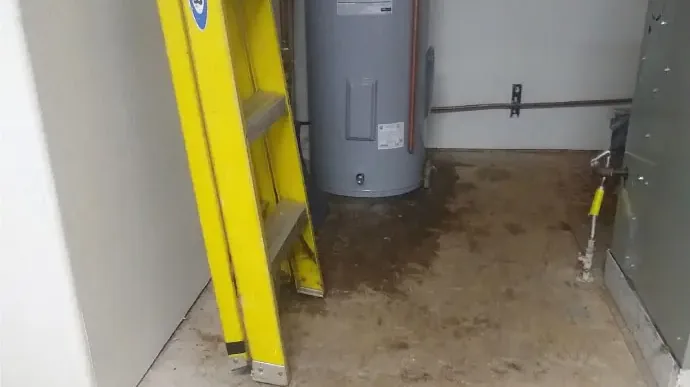 Water Heater Leak CleanupA failing tank can empty onto the floor, so the water is extracted and nearby materials are dried.See the service
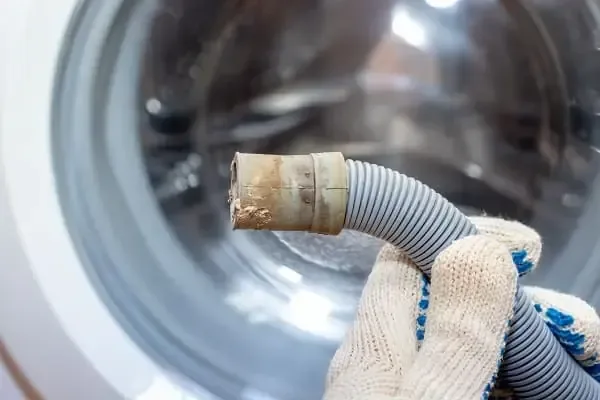 Appliance and Supply Line LeaksDishwasher, washer and refrigerator leaks often start out of sight, so the hidden floor and wall are checked.See the service
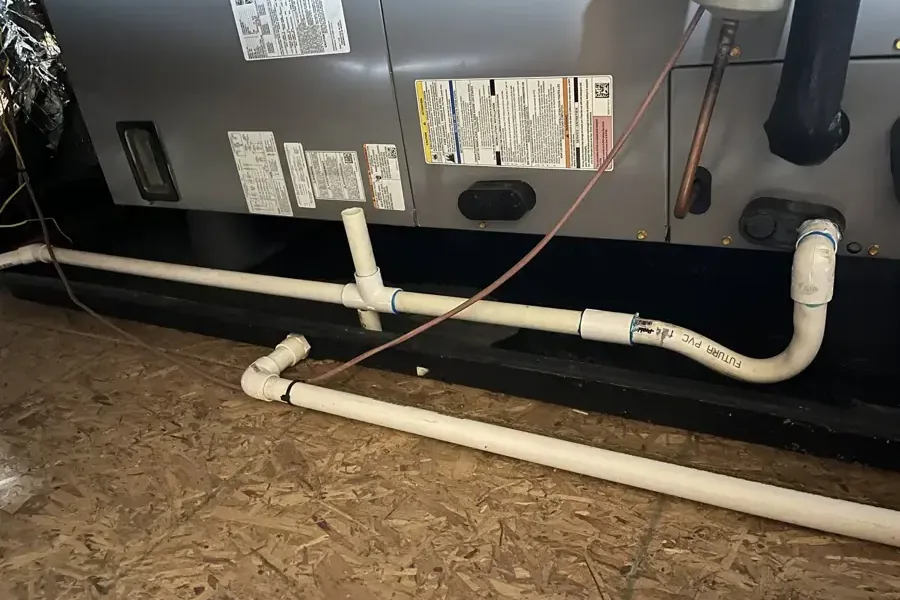 HVAC Condensate Leak Water DamageA clogged condensate drain or full pan can overflow near an air handler and soak the ceiling or floor below.See the service
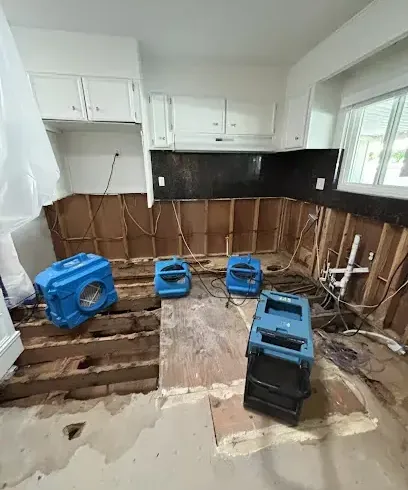 Structural Drying and DehumidificationControlled airflow and dehumidification, tracked with meter readings, pull moisture out of framing and subfloors.See the service
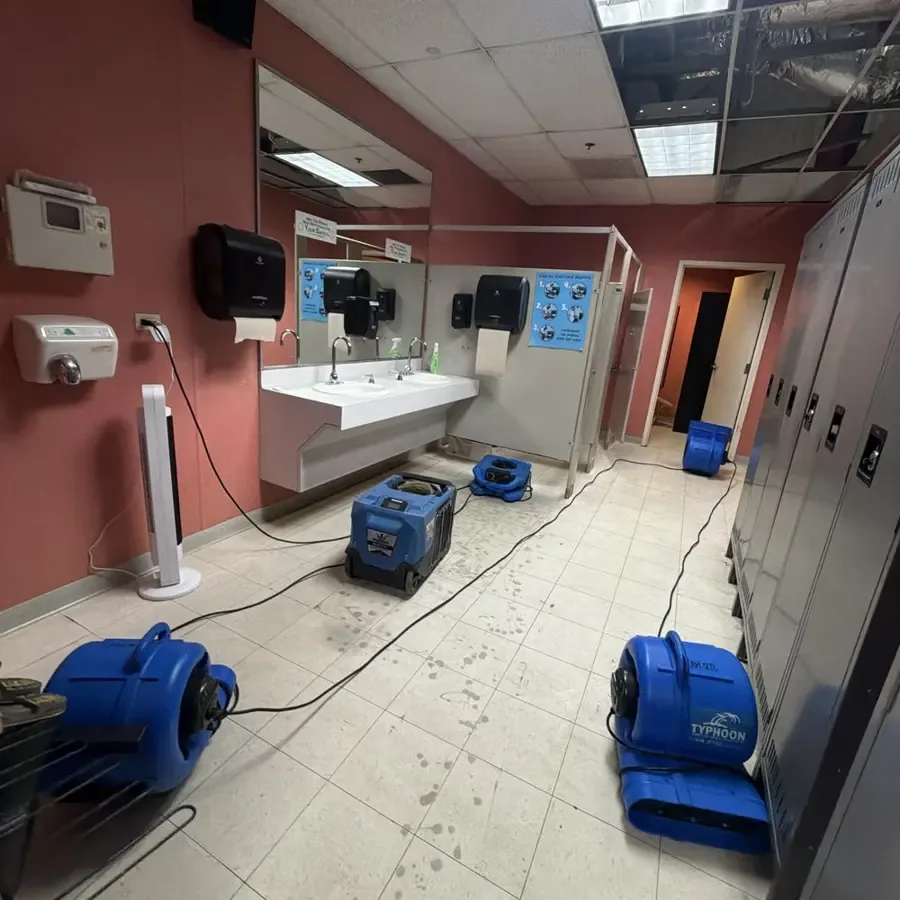 Commercial Water DamageShops, offices and civic buildings need a plan that limits downtime and documents the drying.See the service
Describe what happened by phone and the restoration team will match the water to the right service and explain what comes first.
(888) 849-5796 Talk to the teamA repeatable process from first look to dry
The same stages apply whether the water came from a pipe, an appliance or a storm, and each stage ends with a measurement instead of an assumption about what is dry.
- 1
Assess and stop
The team finds the source, confirms the water is shut off and sorts the water by category before anything is moved.
- 2
Extract
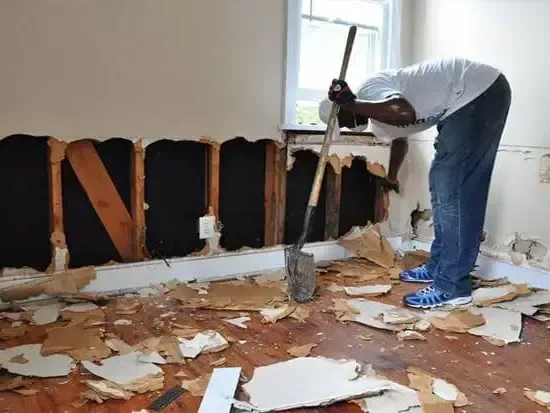
Pumps, extractors and wand tools remove standing water, and soaked carpet and pad are lifted or cleared as the situation requires.
- 3
Dry
Air movers and dehumidifiers are placed to match what the meters show, with equipment adjusted as the readings change.
- 4
Verify and document
Final readings are recorded against dry reference points, and the notes and photos are saved for the insurance file.
Clean, gray and contaminated water are handled differently
The source decides the safety steps, the materials that can stay and the equipment that is needed.
A burst supply pipe or a leaking faucet starts out clean, and materials often dry in place when extraction begins early. See burst pipe repair
Washer, dishwasher and similar leaks carry soap and some contamination, so porous materials get a closer look before they stay. See appliance leak work
Sewage and flood water carry serious contamination, so the area is sealed off and porous materials are removed. See sewage cleanup
What water damage cleanup typically costs
Typical jobs run from $1,000 to $10,000+, and the final figure depends on how many rooms were wet, what category the water was and how long it sat before extraction began, so acting early is the cheapest step.
Small and caught early
$1,000 to $3,000- One room or one area is wet
- Air movers run for a short period
- Few or no wall openings
Several rooms
$3,000 to $6,000- Wet carpet and pad are removed
- Wall cavities are opened to dry
- Longer equipment monitoring
Major or contaminated
$6,000 to $10,000+- Two levels or sewage involved
- Heavy removal of porous materials
- Extended drying with daily readings
Four things set the price: the water category · the wet square footage · the material class · when drying began
Ranges are planning figures, not quotes. A moisture survey sets the actual scope, and the cost calculator can narrow the numbers down before anyone makes the call.
Documentation that supports a claim
Carriers ask for proof of what happened and what it cost to fix, so records started at the beginning save trouble later.
- Photos and video before cleanup begins
- The date and time the water was stopped
- A list of damaged belongings
- Receipts for emergency repairs and equipment
- Moisture readings and drying logs
A homeowner can start the file alone by shooting clear photos of each wet room and keeping damaged items until the adjuster has seen them.
Coverage depends on the policy and the cause of loss, so questions about what is covered belong with the carrier.
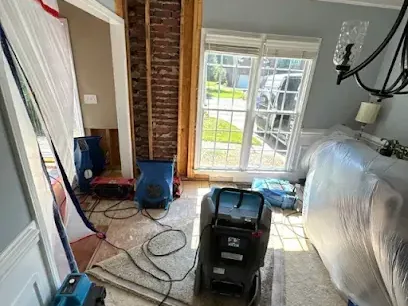
Equipment and methods used on water damage jobs
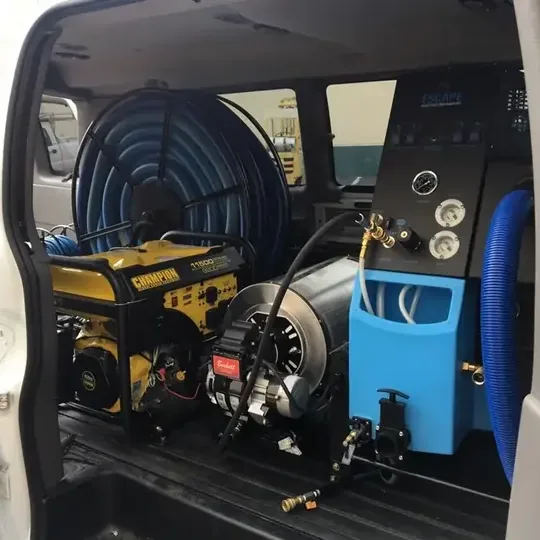
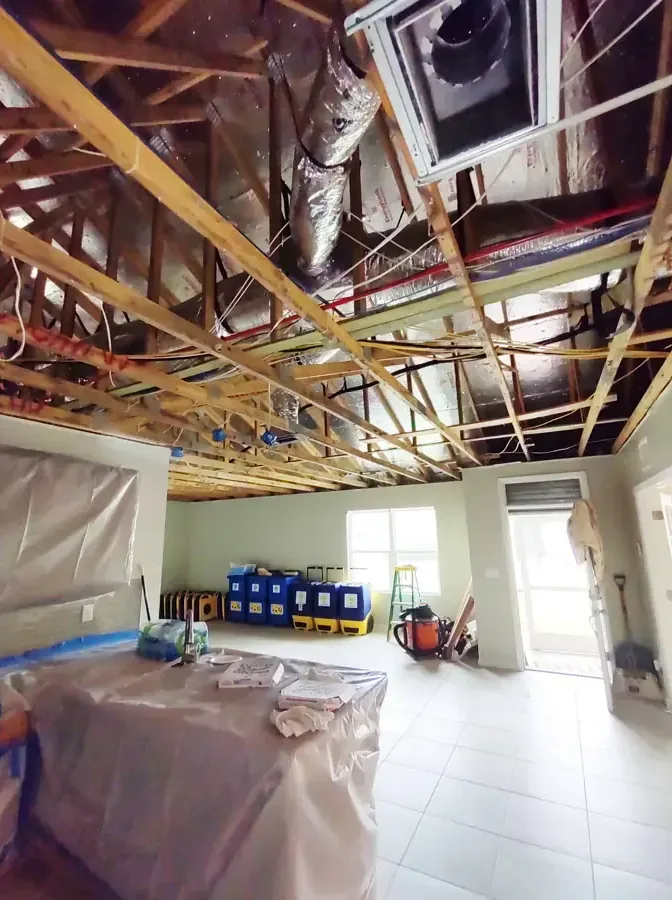
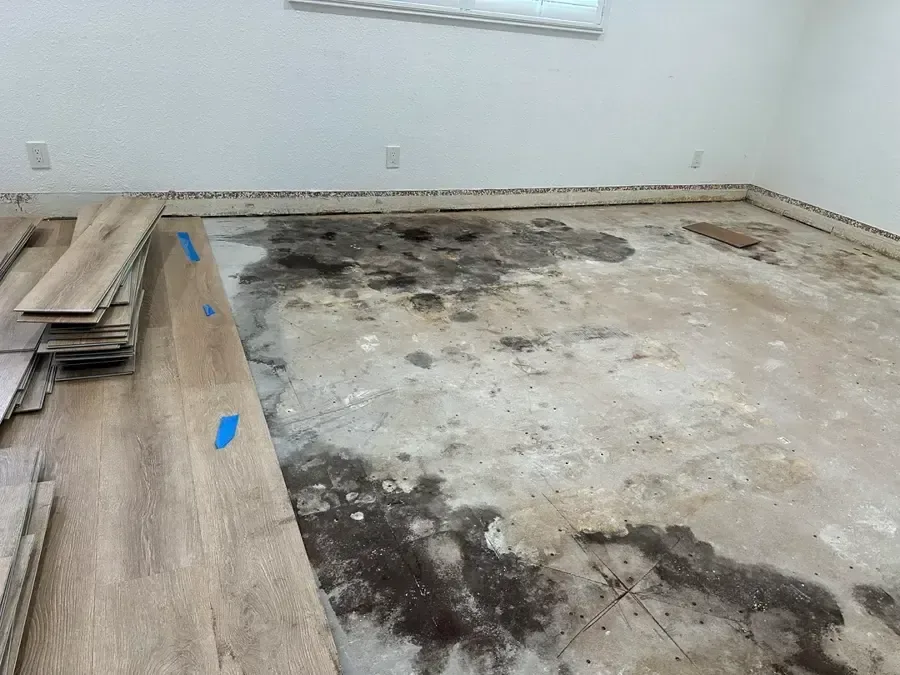
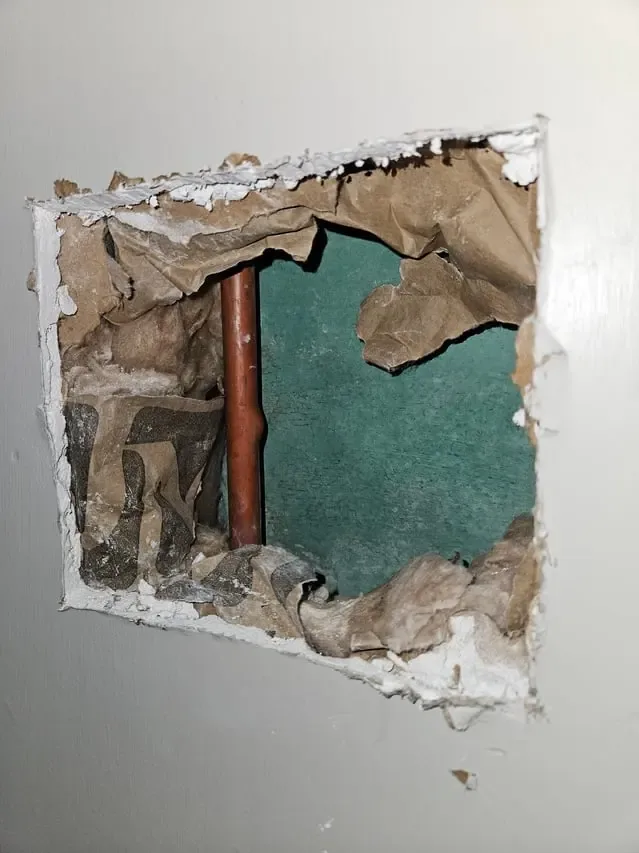
Where the response team works in Pegram
The response team covers homes, rentals and small commercial buildings throughout Pegram in Cheatham County, working along U.S. Route 70 and wherever a call comes from within town limits, at any hour of the day or night.
The whole of ZIP code 37143 falls inside the service area for extraction, drying, sewage cleanup and flood recovery, whatever the size of the building.
Local landmarks and corridors
Nearby communities served
Why fast water removal matters in Cheatham County
Southern Cheatham County has a documented history of sudden heavy rain, and these examples come from weather and flood reports, each one a reminder of why removing water quickly matters.
- Sudden creek rise Up to six inches of rain fell in Cheatham County on May 25, 2000, and Turner's Creek in the southern part rose as much as 3 feet in 5 minutes.
- A county rainfall record Cheatham Lock and Dam measured its greatest one day rainfall, 5.85 inches, on May 27, 1991, a reminder that one storm can overwhelm drains.
- Hard winter events Middle Tennessee saw ice, snow and freezing fog on December 8 to 11, 2018 and a major winter storm on January 14, 2024, so pipes in unheated spaces can split.
- Hail and storm damage Baseball size hail northwest of Ashland City on April 16, 1998 damaged 35 to 50 homes in Cheatham County, and damaged roofing lets water in.
- Regional flooding Historic rain on May 1 and 2, 2010 and widespread flooding in late February 2019 both reached Middle Tennessee and showed how far storm water spreads.
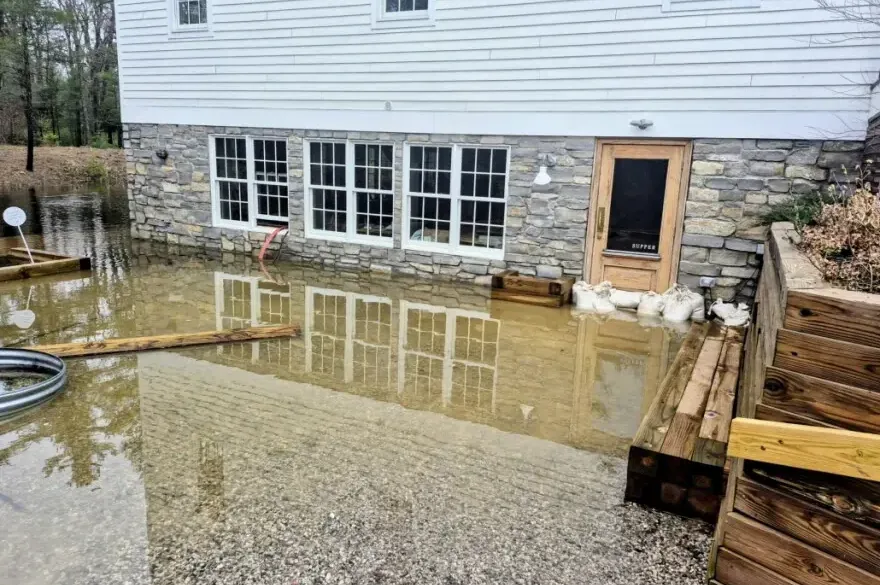
Heavy rain caused flash flooding in southern Cheatham County. Three inches of water collected in Pegram City Hall, and nine people were rescued from flooded homes, some from rooftops.
Questions about water damage in Pegram
Plain answers to what homeowners ask first, whatever the source of water.
How quickly does water need to come out of a home?
As early as possible. Wet drywall, carpet and framing begin holding moisture right away, and mold can start within 24 to 48 hours. A room pumped out and dried early often keeps its drywall and trim, while one left standing usually loses them.
What should be done first when a pipe bursts?
Close the main valve, or the fixture valve if the failure is at a sink or toilet, and switch off power to wet rooms. Then call the response team so extraction can start while a plumber arranges the repair.
Does the team work on commercial buildings in Pegram?
Yes. Shops, offices and civic buildings are covered, and the three inches of water that collected in Pegram City Hall on May 25, 2000 shows that public buildings are exposed. Plans focus on limiting downtime and documenting the drying.
Is sewage handled differently from clean water?
Very differently. Sewage is Category 3 water, so the area is sealed, porous materials are removed and surfaces are treated before drying starts. Clean supply water allows far more materials to be saved. That difference is why the two are never handled as one job.
Can wet carpet be saved?
Often, when the water was clean and extraction began early. The pad underneath is the weak point and is commonly replaced, while carpet exposed to sewage or flood water is normally discarded. Hard floors such as tile usually come through well.
How do winter storms lead to water damage?
Pipes in attics, garages and exterior walls can freeze and split in hard cold, such as the ice and snow of December 8 to 11, 2018 or the January 14, 2024 winter storm in Middle Tennessee. The leak often shows at the thaw.
How long does structural drying take?
It depends on the materials and the amount of water. Light jobs may need a few days of equipment, while concrete, hardwood or soaked framing can take longer. Readings decide when the machines leave.
Will a damp smell go away on its own?
Not while moisture is still trapped. A lingering smell usually points to wet insulation, padding or drywall that has not been dried, and opening the area to take readings is the reliable fix.
Does homeowners insurance cover water damage?
Coverage depends on the policy and the cause, since a sudden pipe failure is treated differently from a slow leak or surface flooding. Contact the carrier early, and keep photos and drying logs to support the claim.
Why use moisture meters instead of just looking?
Wet materials often look and feel dry. Meters and thermal images find hidden moisture, direct where equipment goes and prove at the end that the structure has actually dried. That record also helps with insurance conversations.
Water is spreading and the clock is running
The restoration team pumps, opens and dries at any hour for Pegram homes and shops, so call now and describe what the water did.