Structural Drying and Dehumidification in Spring Hill, TN
After any water event, drying the framing, subfloor and drywall is what prevents lingering moisture, and the process is the same in older and newer Spring Hill homes. Readings, not guesses, end the job.
(888) 849-5796 Call to start drying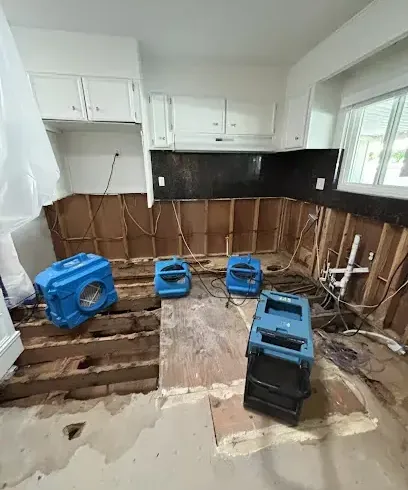
First steps for structural drying and dehumidification
Set the equipment
Air movers and dehumidifiers are placed to move air across the wettest surfaces.
Read the moisture
Meters record the starting level in each wet material.
Adjust each visit
Fans are moved and cavities opened as the readings change.
Confirm the finish
Equipment leaves when the structure matches the dry reference.
What does structural drying and dehumidification cost in Spring Hill, TN?
Structural drying usually runs $1,000 to $6,000 or more, depending on the drying class, the materials involved and how many days the equipment has to stay in place.
Class 1 or 2, small area
$1,000 to $2,200- Small area
- Few air movers
- Short run
Class 3, wet walls
$2,200 to $4,000- Walls and ceiling wet
- More equipment
- Daily readings
Class 4, concrete or hardwood
$4,000 to $6,000+- Dense materials
- Specialty drying
- Longer monitoring
Ranges are typical, never a quote: the water category, the square footage, the material class and how fast drying started move the number most. For a closer planning range, run the water damage cost calculator.
How structural drying and dehumidification is handled, step by step
- 1
Measure
Meters record the starting moisture in each material.
- 2
Place
Equipment is set for airflow.
- 3
Monitor
Readings are taken each visit.
- 4
Release
Equipment leaves at dry readings.
Once the standing water is gone, most of the moisture is still inside the structure. Drywall, studs, subfloor and trim hold water that fans alone cannot reach, and leaving it there is how musty smells and mold begin.
How drying is planned
The class of the loss sets the plan. A Class 1 or 2 loss is a small area with low absorbing materials, a Class 3 loss involves wet walls, and a Class 4 loss involves dense materials such as concrete or hardwood.
- Air movers push dry air across wet surfaces
- Dehumidifiers pull the moisture out of the air
- Wall cavities are vented so trapped water can escape
Older homes and newer homes
Older houses near Main Street mix antebellum, Victorian era, mid century ranch and Craftsman styles, with plaster, hardwood and thick framing that dry slowly. Newer homes use drywall and engineered flooring, which dry faster but swell quickly. The method is the same, with the timing adjusted.
Knowing when it is done
Meters read the materials every visit and the readings are compared with dry reference points. Equipment comes out only when the numbers say so. Water extraction comes first, and storm and flash flood cleanup adds sanitizing.
Structural drying and dehumidification across Spring Hill and nearby
Drying crews work across Spring Hill in both counties, from older homes near Main Street to newer subdivisions, wherever framing, subfloor or drywall is holding moisture after a leak, a flood or a storm.
The same service nearby: structural drying and dehumidification in La Vergne, Thompson's Station, Kingston Springs.
Water damage restoration in Spring Hill · every town covered
Related water damage services in Spring Hill
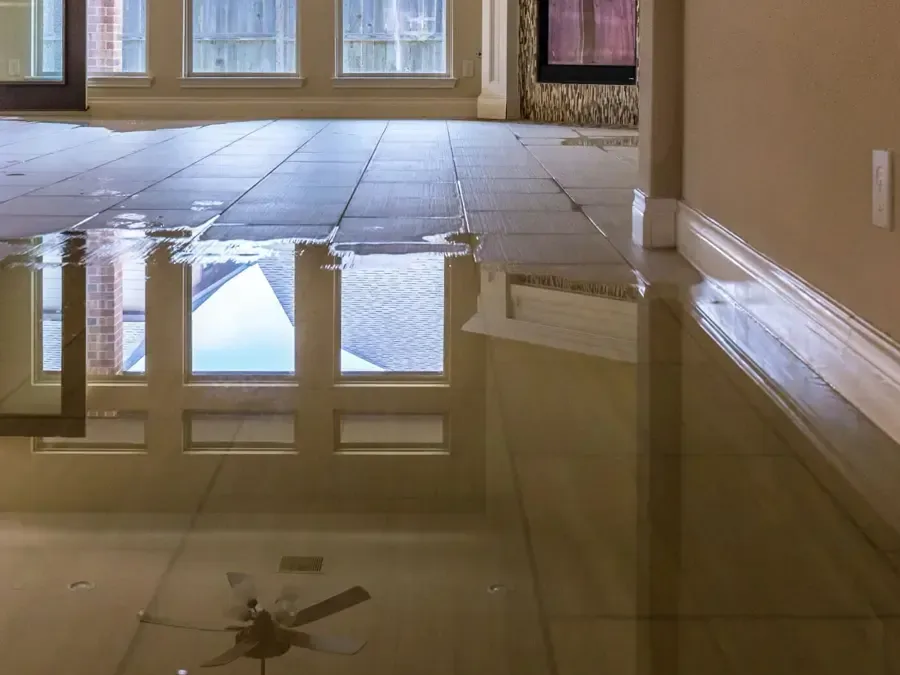 Water Extraction and Removal in Spring HillStanding water removed with truck-mounted extraction before it spreads into pad, walls and framing.
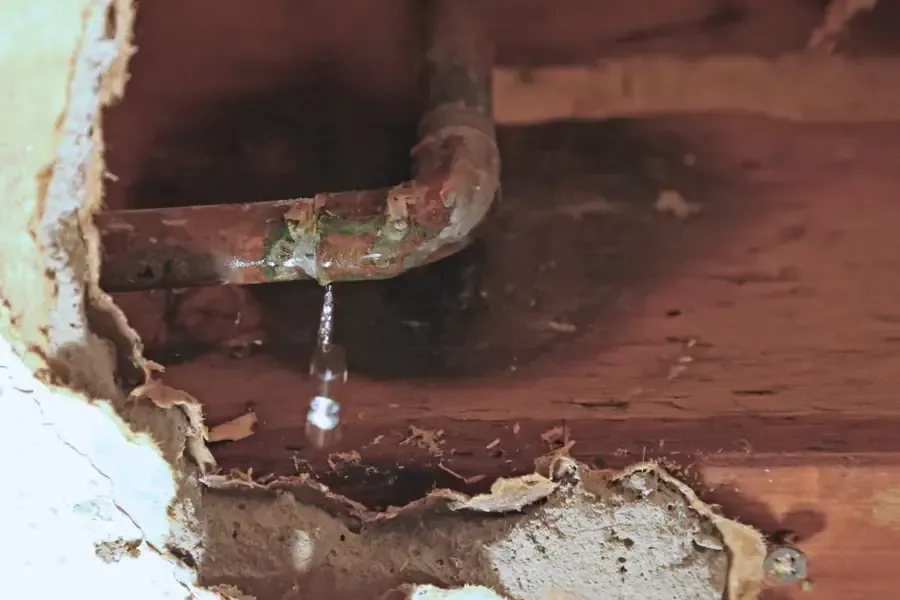 Burst Pipe Water Damage in Spring HillSupply line breaks inside walls and ceilings extracted, opened where needed and dried.
 Storm and Flash Flood Cleanup in Spring HillStorm runoff and creek water extracted, treated as contaminated and dried out.
Structural Drying and Dehumidification in La VergneFraming, subfloor and concrete dried to within 2 to 4 points of a dry reference.
Water damage restoration in Spring HillExtraction, structural drying and documentation, 24/7.
Storm and Flash Flood Cleanup in Spring HillStorm runoff and creek water extracted, treated as contaminated and dried out.
Structural Drying and Dehumidification in La VergneFraming, subfloor and concrete dried to within 2 to 4 points of a dry reference.
Water damage restoration in Spring HillExtraction, structural drying and documentation, 24/7.
Structural Drying and Dehumidification questions in Spring Hill, TN
Answers on drying equipment, readings and timelines.
How long does drying take?
Usually a few days for small losses and longer for dense materials. The readings, not the calendar, decide when equipment comes out.
Why does the house feel humid during drying?
Dehumidifiers pull water out of the air, and the room can feel warm and dry. Humidity falls as the structure releases its moisture.
Can wet drywall be dried instead of replaced?
Often, when the water was clean and caught early. Saturated or contaminated board usually comes out.
Do hardwood floors survive drying?
Many do when they are dried promptly with controlled airflow. Boards that cup or buckle past a point are replaced.
Is drying needed after cleanup if the floor looks dry?
Yes. The materials can still hold water that a surface check does not show, which is why meters are used.
Moisture is still sitting in the structure
Tell the crew what got wet and for how long. The drying plan, the equipment and the reading schedule are built around that description of the loss.