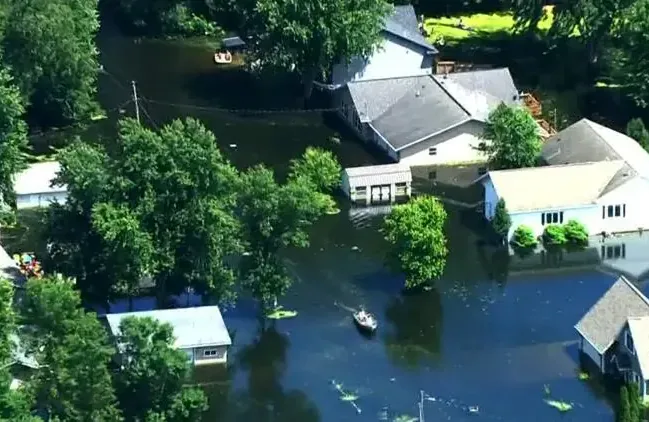
On the morning of May 9, 2024, Woodbury residents woke up to cars submerged in floodwater and more than a foot of water rushing into homes. The flooding came during severe storms that also brought a tornado outbreak to Middle Tennessee. A foot of water inside a house is not a wet floor; it is a home that cannot be lived in until it is pumped out, cleaned, dried and repaired.
Key takeaways
- A foot of floodwater reaches outlets, lower cabinets, drywall, insulation and the bottom of appliances, so the job is far bigger than a wet floor.
- Stay out while water is at outlets or the panel, and treat all floodwater as contaminated.
- Take photos and measurements before anything is moved, because the records support the insurer and any survey of the area.
- Extraction comes first, then removal of porous materials, then structural drying with written readings.
- Cannon County's executive told FOX 17 News that questions about diverting water on the flooded street belonged with the city mayor.
What a Foot of Water Does Inside a House
About a week after the May 2024 flood, FOX 17 News reported that most people on one flooded Woodbury street had to move out at least for the time being because their homes were unlivable. That is the real meaning of a foot of water: a household out of the house while the work gets done.
Water at that depth does not stay on the floor. It climbs into the lower walls and soaks everything below its high mark.
- Drywall and insulation at the bottom of every wall
- Lower cabinets and the bottoms of appliances
- Flooring, carpet and pad across entire rooms
- Outlets, switches and low wiring
- Furniture legs, stored boxes and anything left on the floor
Safety Before Anything Else
A flooded house hides hazards under the surface. The first job is to decide whether anyone should be inside at all.
Power and gas
Do not wade into water that may be touching outlets, cords or the panel. If the power cannot be switched off from a dry spot, stay out and bring in an electrician or the utility.
A gas smell means leaving the house and contacting the gas utility, not looking for the source.
Protective gear
Floodwater carries mud, runoff and whatever it passed over on the way in. Children and pets stay out, and anyone going in is covered from the neck down.
- Waterproof boots and gloves
- Eye protection and a mask for dusty or muddy debris
- Cuts and scrapes covered before touching the water
Document Before You Move Anything
A flooded home gets pulled apart quickly, so the record has to be made first. Photos and a few simple measurements do most of the work.
For the flooded street where homes were reported unlivable, the Cannon County executive said TEMA surveyed the area and the county was awaiting the results. A clear record of what the water reached helps whoever looks at the loss later.
- Wide photos of each room before any cleanup
- Close photos of the high water mark on the walls with a tape measure beside it
- A list of damaged furniture, appliances and personal items
- Photos of any vehicles or outbuildings that took water
- Dates written down as each piece of work happens
Why Floodwater Is Treated as Contaminated
Water that comes in from outside has crossed yards, roads and ditches. It is handled as contaminated, which changes what can stay in the house.
Porous materials that soaked it up are usually removed rather than dried. Hard surfaces such as concrete, tile and solid framing are cleaned and kept.
- Carpet and pad pulled out
- Insulation and the lower part of wet drywall cut away
- Mattresses and upholstered furniture discarded
- Hard surfaces cleaned and treated before drying starts
Pumping Out and Drying Down
The work moves in two stages, and skipping the second one is how problems show up months later.
Extraction
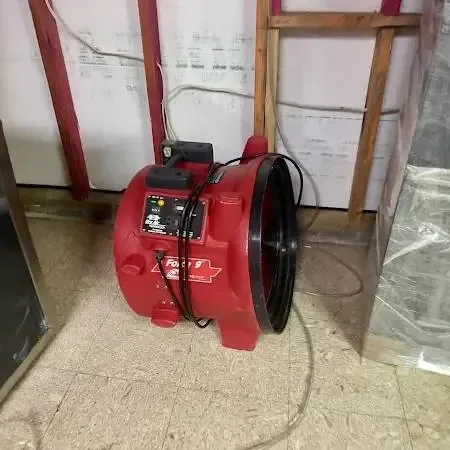
Deep water is pumped out first, then truck mounted or portable extractors pull what remains from the flooring. Water extraction clears the bulk of the load before any drying equipment is set.
Structural drying
After the water is gone, the drying team opens the wall cavities and sets air movers and dehumidifiers. Readings are taken at the start and repeated until the framing and subfloor reach a normal level, and structural drying is what ends the job.
- Baseboards removed and wall cavities opened
- Dehumidifiers sized to the wet volume of the house
- Readings logged each day and shared with the owner
Rain in the Forecast After a Flood
Residents of the flooded street told FOX 17 News they worried about more damage, even after repairs were done, because more rain was in the forecast. That worry is practical: drying and rebuilding go better when the next storm is not about to arrive.
Woodbury sits in the valley of the East Fork of the Stones River, part of the Cumberland River watershed, and a valley setting is a reminder to watch the sky while a house is open. The crew that handles storm and flood cleanup plans the work around the weather.
- Keep salvage and repair materials off the floor or out of the house
- Keep drainage paths around the house clear of debris
- Hold finish work until the readings confirm the structure is dry
Rebuilding Only After the Readings Say So
Rebuilding too soon traps moisture behind new drywall and flooring. The written readings from the drying job are the signal that it is time to close walls and lay new floors.
A household that has been displaced often wants to move back quickly. The honest answer is that a house is ready when the structure is dry and the systems are safe, not when the surface looks clean.
Until that point the work is cleanup, removal and drying. After it, the work is repair, and the two should not overlap.
- Readings back at a normal level on framing, subfloor and drywall edges
- Odors gone from the wall cavities and the lower rooms
- Wiring, outlets and appliances checked by the right trade before use
- Insulation, drywall and flooring replaced in that order
Keeping Records for the Insurer
A flood claim moves faster when the paper trail is complete. The photos from the first walk-through, the list of damaged items and the daily readings tell the story without argument.
Dates matter as much as pictures. Writing down when each stage of work started and ended keeps the timeline clear for everyone who reads it.
Questions
Can a family stay in a house after a foot of water?
Not while water, contaminated materials or wet wiring are present. Homes on the flooded street were reported as unlivable, and a house is usually ready only after extraction, removal and drying are done and the systems are checked.
Should everything that got wet be thrown out?
Porous items that soaked up floodwater, such as carpet, pad, mattresses and upholstered furniture, are usually discarded. Hard items can often be cleaned, and the crew sorts them as the work goes.
How long does a flooded house take to dry?
It depends on how much of the structure got wet. Drying runs for days, and the written readings decide when the equipment leaves.
Who handles questions about diverting water on a street?
The Cannon County executive told FOX 17 News that further questions about diverting water on the flooded street belonged with the city mayor.
Is there a local place to report a water leak?
The Woodbury Water & Sewer website has a FAQ on how to report a water leak or water quality issue, which helps if the supply to the house is damaged.
What should be kept for the insurer?
Photos from before cleanup, the list of damaged items, the written moisture readings and the dates of each stage of work.