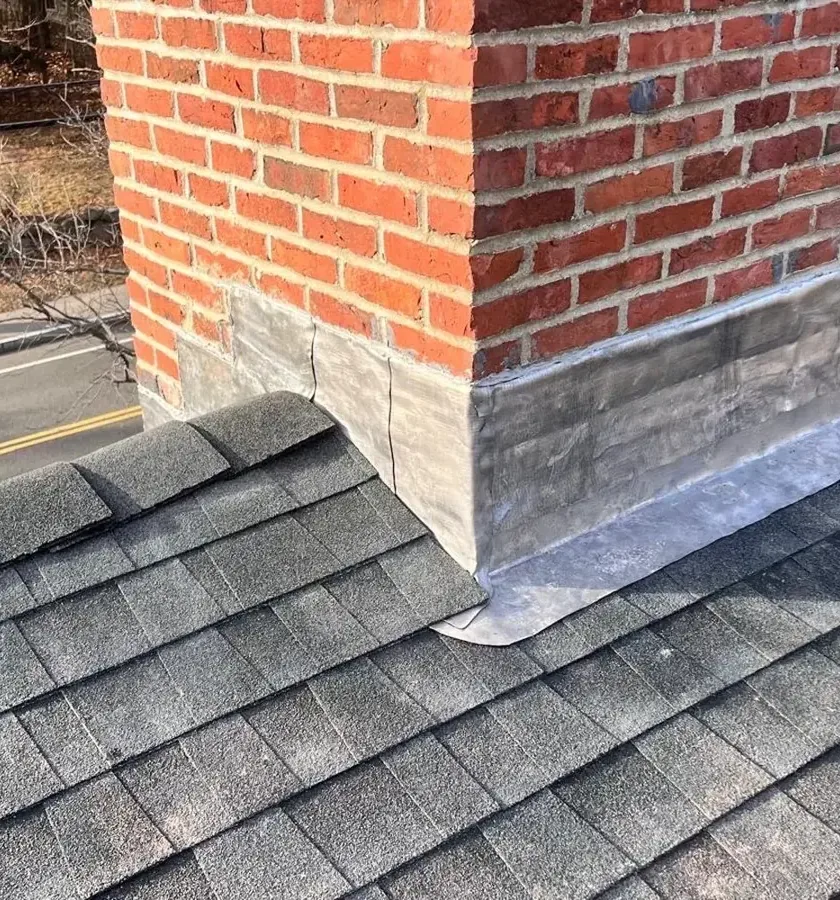
Severe storms in early April 2025 damaged ten homes in Kingston Springs and uprooted large trees. A funnel cloud was seen during those storms but never fully reached the ground, and no injuries or deaths were reported. For a home with a lifted shingle or a limb that struck the roof, the damage that matters next is the water that follows the next rain.
Key takeaways
- Wind opens a roof in small ways: lifted shingles, bent flashing, cracked vents and limb strikes.
- A ceiling stain rarely sits under the hole, because water runs along rafters and decking before it drops.
- A tarp and a roofer stop new water; extraction and drying deal with what already got in.
- Wet insulation and sagging ceiling drywall come out, and framing is dried with readings.
- After the April 2025 storms, debris could go to the county Solid Waste Facility on Sam's Creek Road or be left out for county highway department pickup.
What the April 2025 Storms Left Behind
The storms damaged ten homes and uprooted large trees. Power was restored to most of the area afterward.
A funnel cloud was seen but never fully touched down, and the damage came from wind and falling trees rather than a direct tornado strike.
- Ten homes damaged in town
- Large trees uprooted
- A funnel cloud seen but not on the ground
- No injuries or deaths reported
How Wind Opens a Roof
Wind rarely removes a whole roof. It lifts the edges of shingles, bends flashing and cracks vents, and it drops branches that crack decking.
Those small openings stay quiet until rain arrives, and the first sign is often a stain on a ceiling days later.
- Shingles lifted or missing along edges and ridges
- Bent or loosened flashing around chimneys and vents
- Cracked plumbing vents and roof vents
- Limb or tree strikes that break the decking underneath
Tracing the Leak From the Ceiling Stain
The stain you see is almost never directly below the opening. Water runs along rafters, decking and the top of the drywall before it drips.
In the attic
A flashlight on a dry day shows dark streaks on the underside of the decking, flattened insulation and sometimes daylight through a gap.
- Dark streaks or damp wood on the decking
- Insulation that is wet, matted or discolored
- Daylight coming through the roof surface
- Stains that follow the rafters downward
In the rooms below
A bulging, sagging or stained ceiling holds water. Letting it fall on its own can drop a large load at once, so the ceiling is released at a controlled spot and the water is caught.
Temporary Protection Until the Roof Is Fixed
The fastest way to stop new damage is to keep rain out. That is the job of a tarp and a roofer, and it is separate from the cleanup inside.
Staying off a wet or damaged roof matters more than saving a few days. A slip costs far more than the delay.
- A tarp secured over the opening by a roofer
- Buckets or tubs set under drips in the meantime
- Photos of the roof damage and the ceiling stains
- No walking on a roof that is wet or visibly damaged
Drying Ceilings, Insulation and Walls
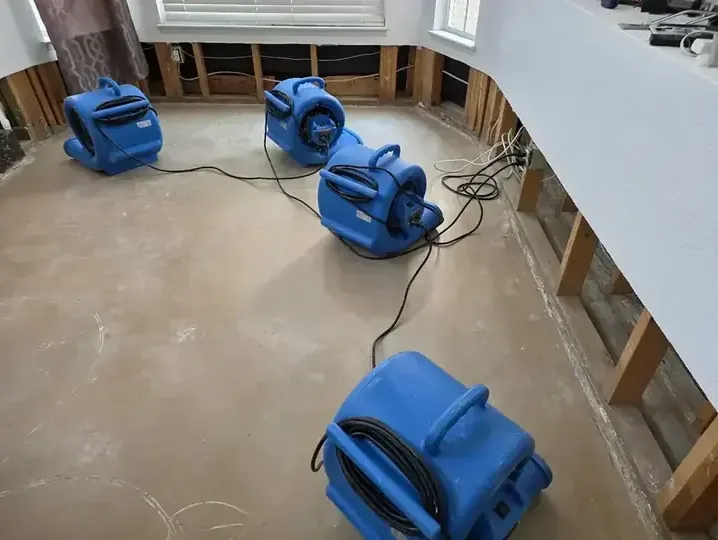
Once the rain is kept out, the inside gets attention. Wet insulation comes out, because it holds water against the drywall, and sagging ceiling drywall is removed.
The drying team then dries the framing and wall cavities with air movers and dehumidifiers, and takes readings until they are normal. The full scope of roof leak water damage covers both the attic and the rooms below, and ceiling leak water damage handles the repair of what the water reached.
- Wet insulation bagged and removed
- Sagging or stained drywall cut out
- Framing and wall cavities dried with readings logged
- Fresh insulation and drywall installed only after readings are normal
Why Quick Action Matters After Wind Damage
A roof opening that goes unnoticed through several rains turns a small repair into a large one. Water soaks insulation, stains ceilings and reaches framing, and the longer it sits the more of the house it touches.
Checking the attic after every storm catches problems while they are still small. That habit costs nothing and pays off most after a storm that hit local homes.
- Soaked insulation holds water against the drywall instead of insulating
- Wet framing stays wet if the leak keeps feeding it
- Ceiling stains grow and drywall sags under the water it holds
- Moisture inside walls gives mold a place to start
Storm Debris and Cleanup Logistics
After the April 2025 storms, storm debris could go to the Cheatham County Solid Waste Facility on Sam's Creek Road or be left out for the county highway department pickup.
Wet insulation and drywall from the inside of a house are a separate matter from limbs and branches, so ask before mixing them. Local details for each type of loss are on the Kingston Springs service page, and the wider roof leak services follow the same steps.
Staying Ahead of the Next Rain
A roof that has taken wind should be checked before the next storm, not after.
A short walk around the house and a look into the attic go a long way.
- Look for lifted shingles and loose flashing from the ground with binoculars
- Check the attic with a flashlight after every storm
- Trim branches that hang over the roof
- Keep gutters clear so water does not back up under the edge
What to Photograph for the Insurer
Photos taken before temporary repairs show the insurer what the storm did. Roof damage, ceiling stains and wet insulation each deserve their own picture.
Readings taken during the drying work add numbers to the pictures, and receipts for tarps and hauling fill in the cost side.
- A wide shot of each damaged roof area from the ground
- Close shots of ceiling stains with a date visible
- Attic photos of wet insulation and darkened decking
- Receipts for tarps, repairs and debris hauling
Questions
Why is the stain not under the hole in the roof?
Water runs along rafters, decking and the top of the drywall before it drips, so the stain can sit well away from the opening.
Did a tornado touch down in the April 2025 storms?
No. A funnel cloud was seen during the early April 2025 storms but it never fully reached the ground, and no injuries or deaths were reported.
Can a ceiling hold water after a leak?
Yes. A bulging ceiling holds water, and it should be released at a controlled spot rather than left to fall on its own.
Do wet insulation and drywall have to be removed?
Wet insulation almost always does, since it holds water against the drywall. Drywall that is only damp can sometimes be dried, but sagging or stained sections are cut out.
Where could storm debris go after the April 2025 storms?
To the county Solid Waste Facility on Sam's Creek Road, or it could be left out for county highway department pickup.